Here are a few of my curatorial projects from the past years; exhibitions that explore themes of identity, memory, community, and transformation through diverse artistic voices and interdisciplinary perspectives.
Festin Vizual
IAGA Contemporary Art
Short description:
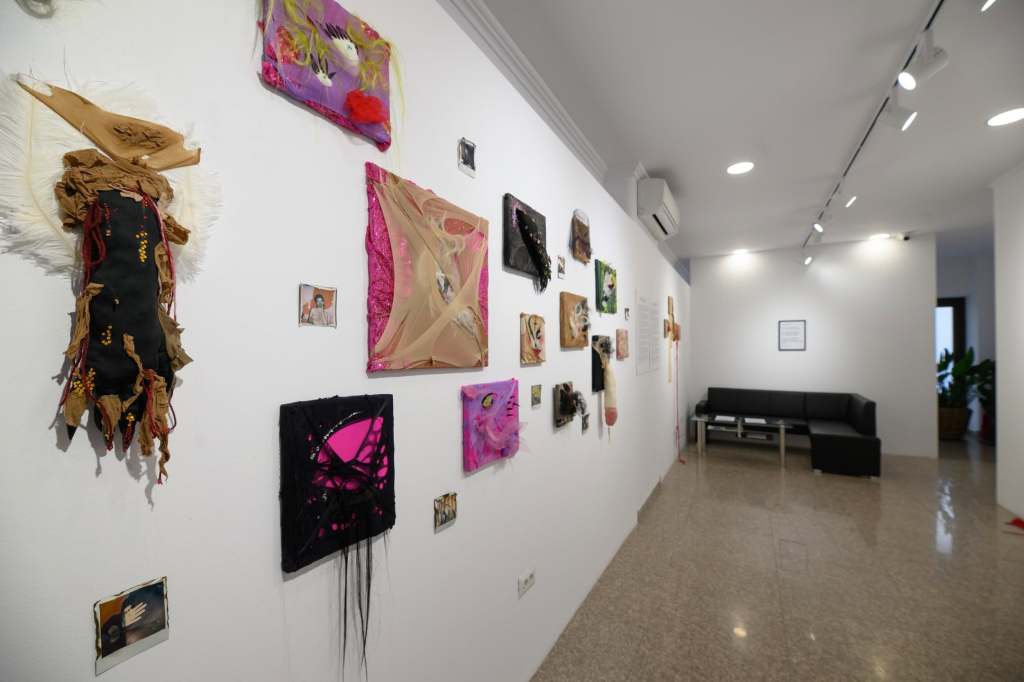
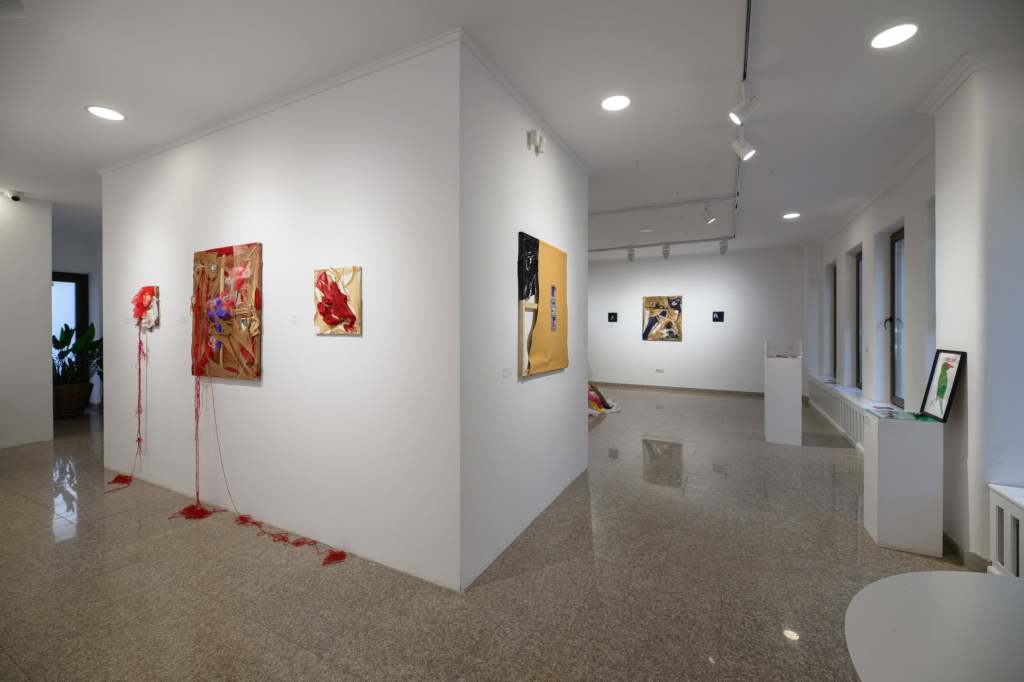
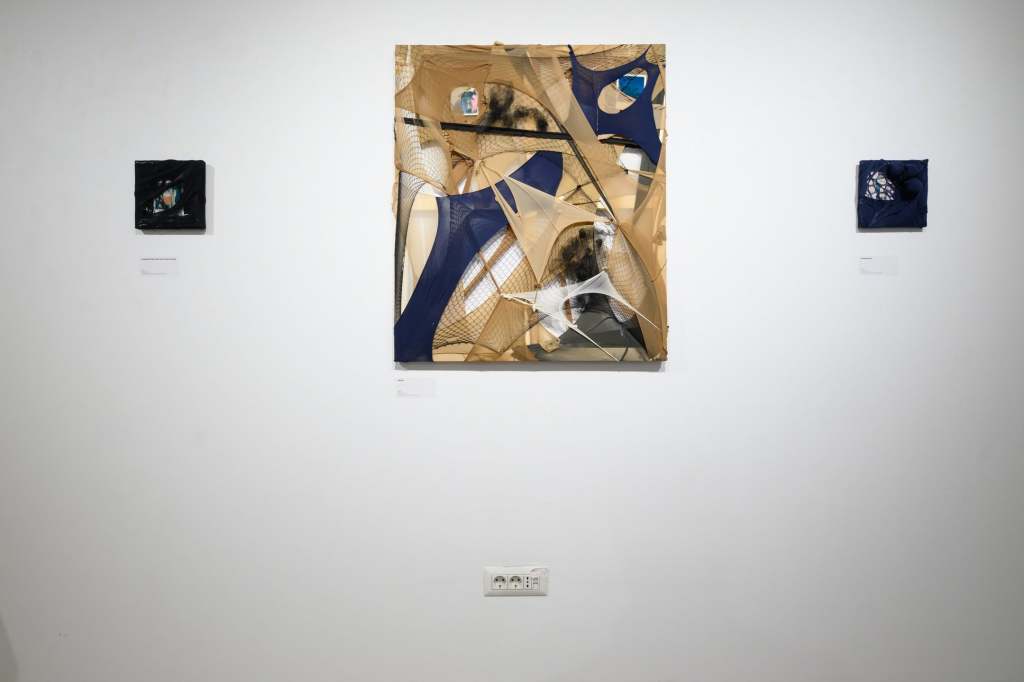
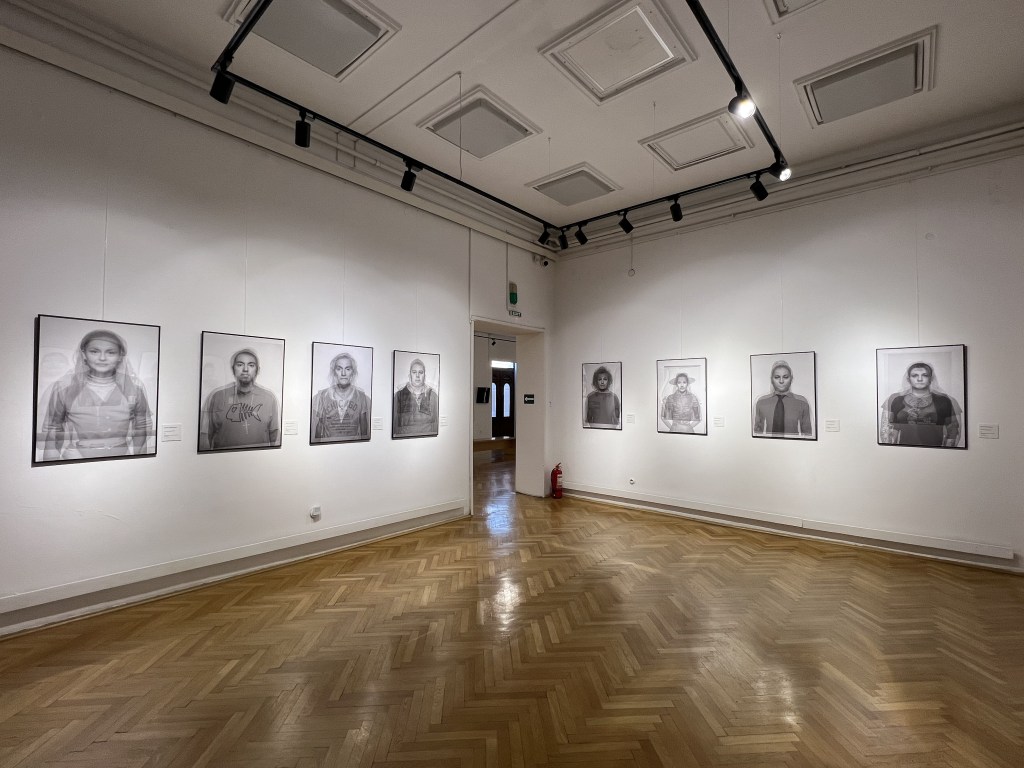
Visual Feast investigates the body as a site of transformation, vulnerability, and resistance. Through a visual language rooted in queer punk aesthetics, Raul Bali creates images and environments that dissolve binaries between masculine and feminine, sacred and profane, intimacy and spectacle. Beauty functions not as an end in itself, but as a strategy for confronting questions of visibility, identity, and cultural norms.
Drawing from religious and cultural iconography deeply embedded in the Romanian context, Bali reinterprets familiar symbols through erotic, ritualistic, and emotionally charged imagery. Sacred references are displaced and reimagined, producing a visual tension that invites viewers to reconsider inherited ideas surrounding morality, tradition, and the politics of the body.
Photography, installation, and mixed-media interventions converge to construct ambiguous spaces where figures appear suspended between exposure and concealment, fragility and strength. Shifts between distortion and clarity, color and monochrome, generate a dreamlike atmosphere in which meaning remains intentionally unresolved, encouraging reflection rather than certainty.
Rather than seeking approval or offering comfort, Visual Feast embraces discomfort as an essential aesthetic and political position. The exhibition asserts queer visibility as an act of courage and presence, transforming the gallery into a space of dialogue, confrontation, and self-definition.
Situated between tradition and freedom, the works propose identity as fluid and continuously evolving. Visual Feastultimately becomes a space of tension and transformation, where personal expression challenges social expectations and where visibility itself becomes an act of resistance.
Read the full text at the link below.





Dincolo de ceea ce se vede
Art Museum Cluj
Short description:
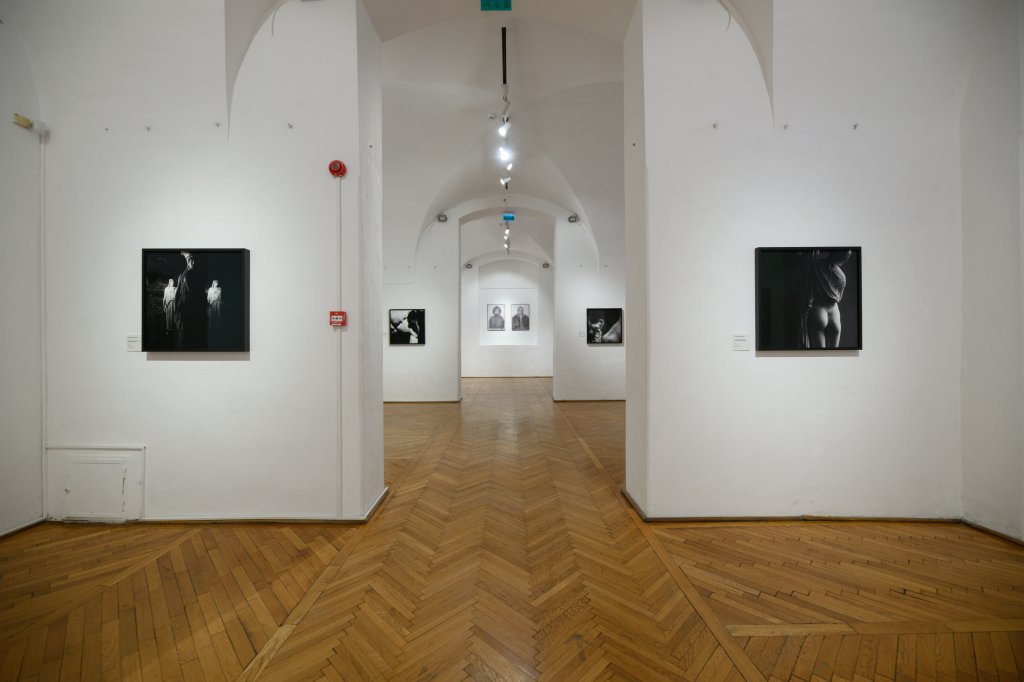
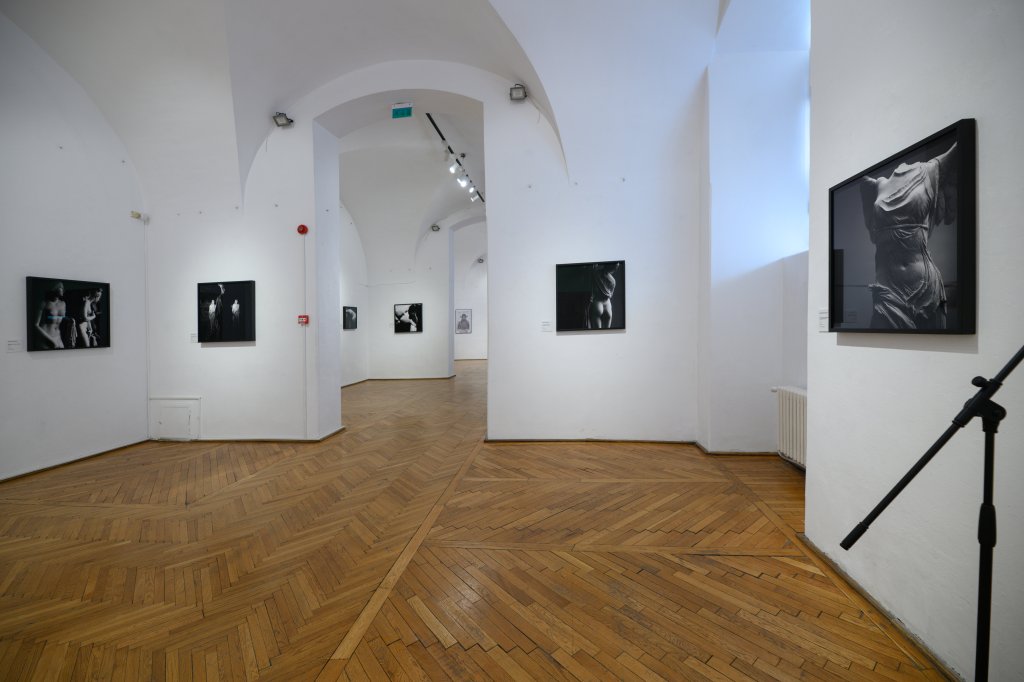
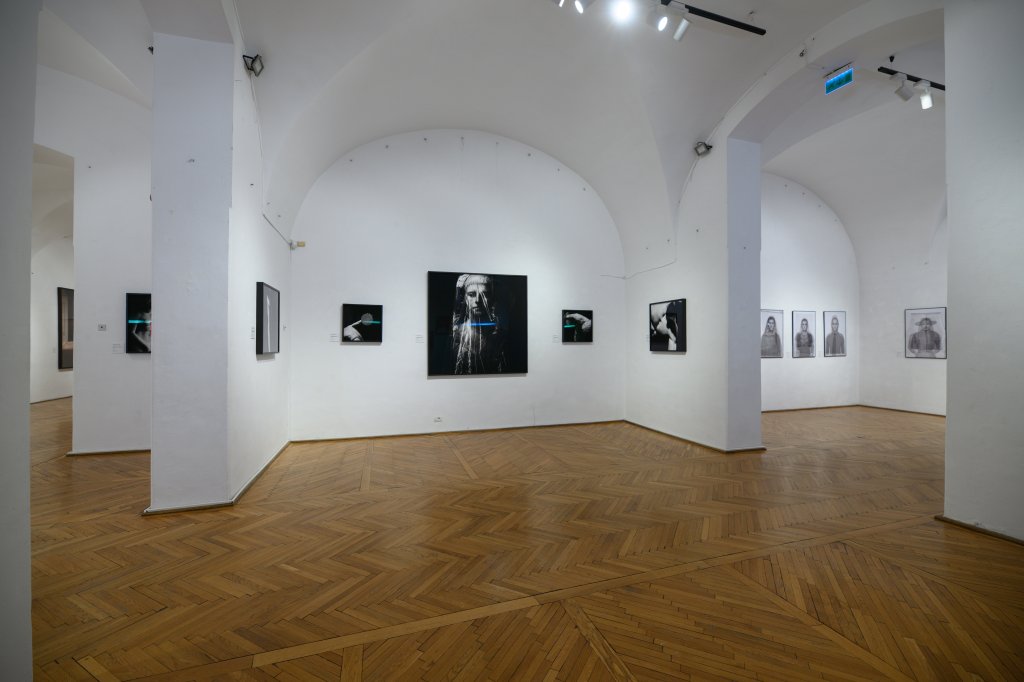
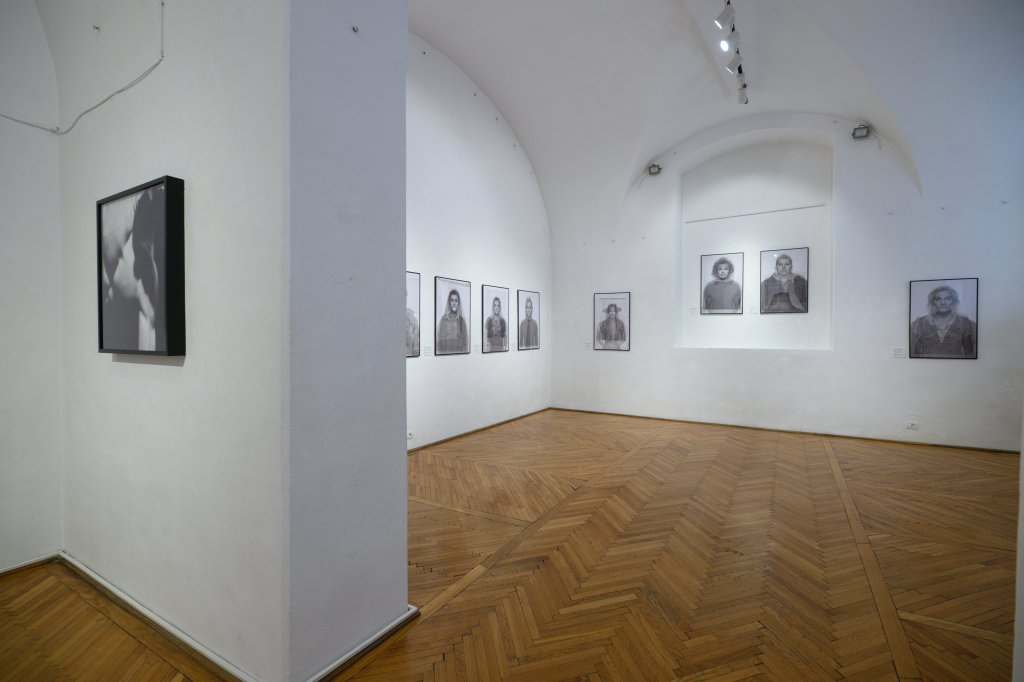
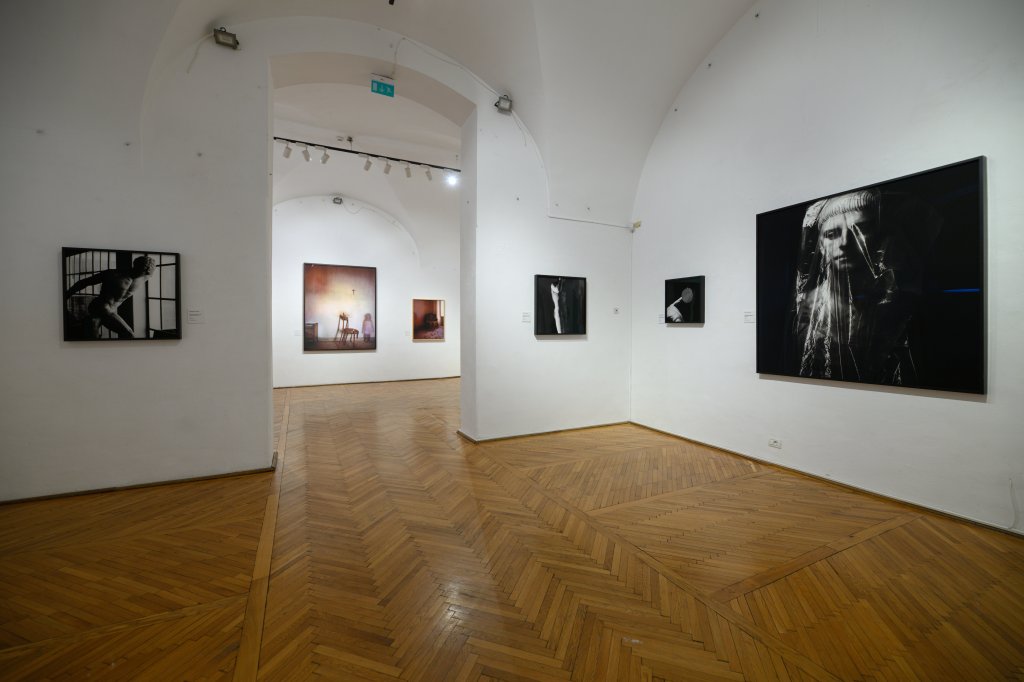
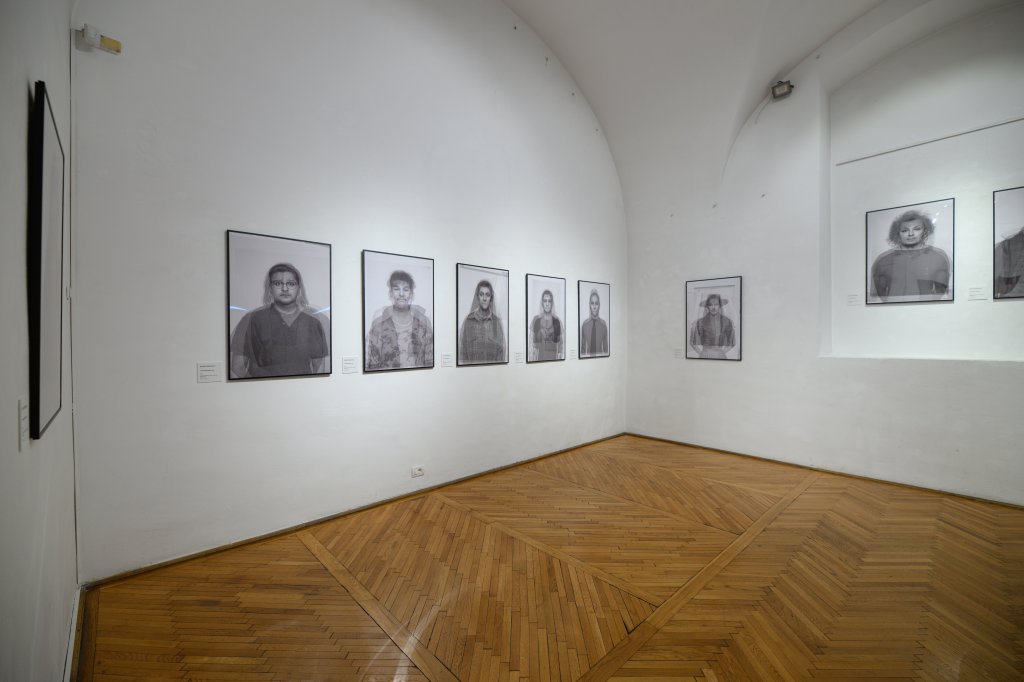
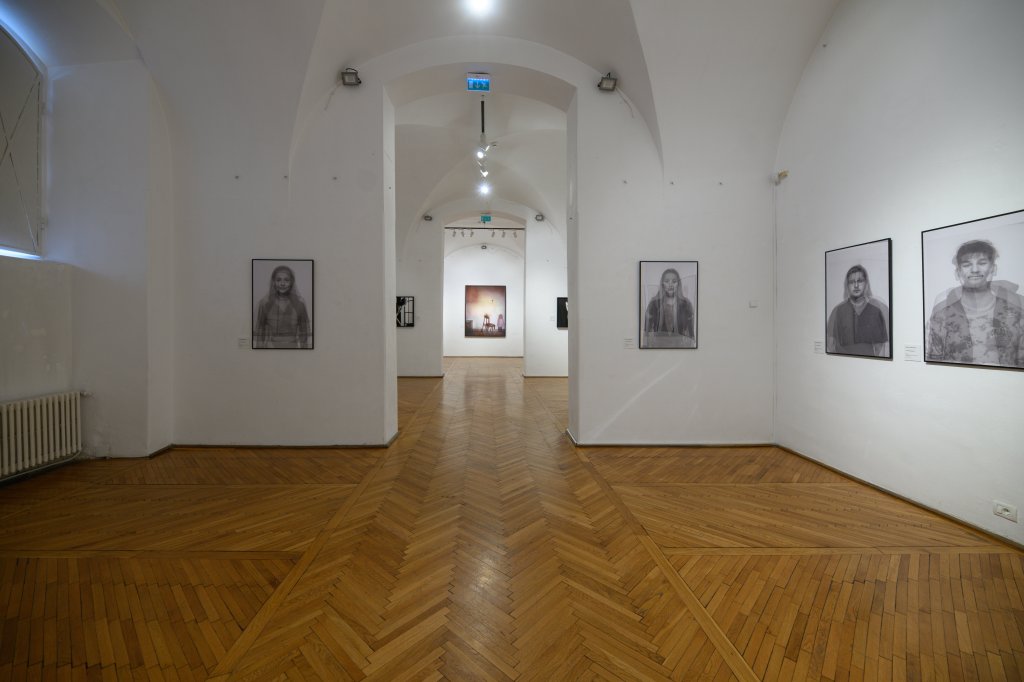
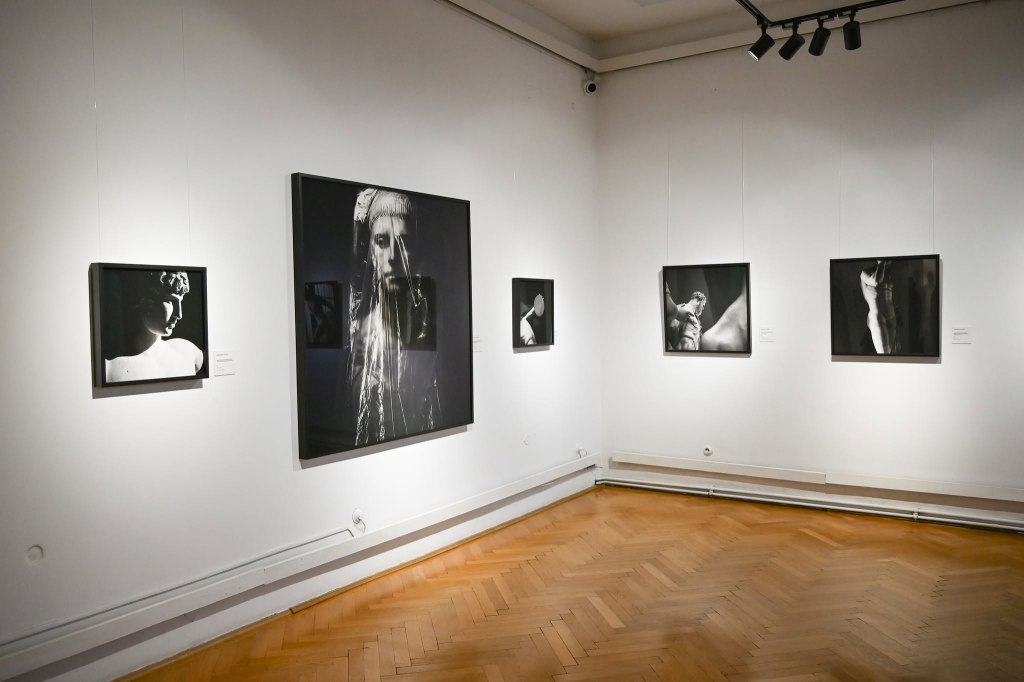
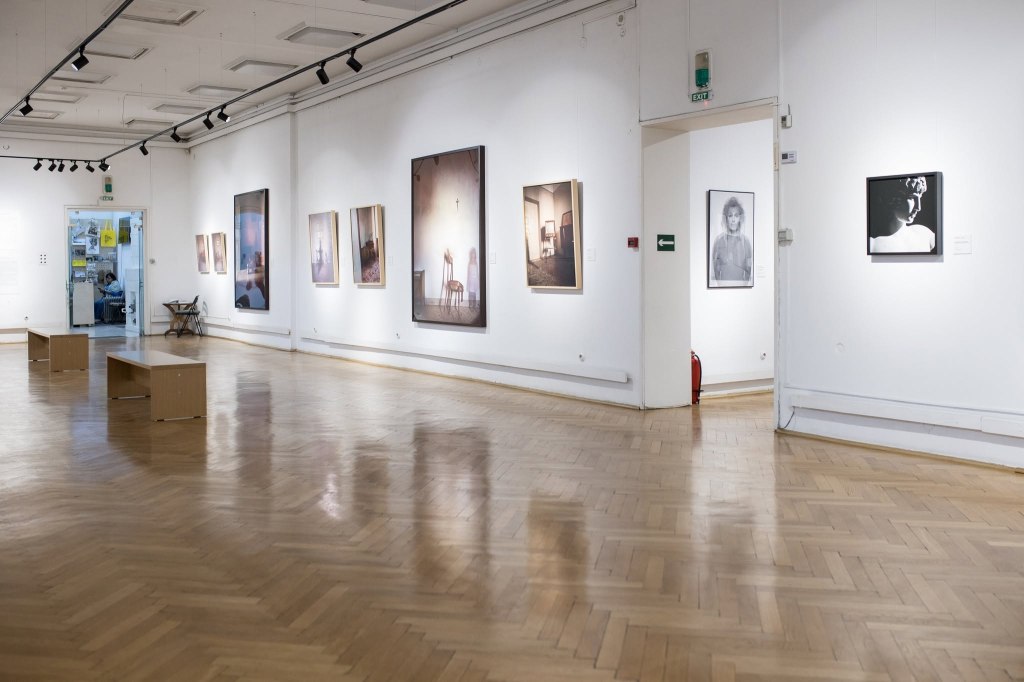
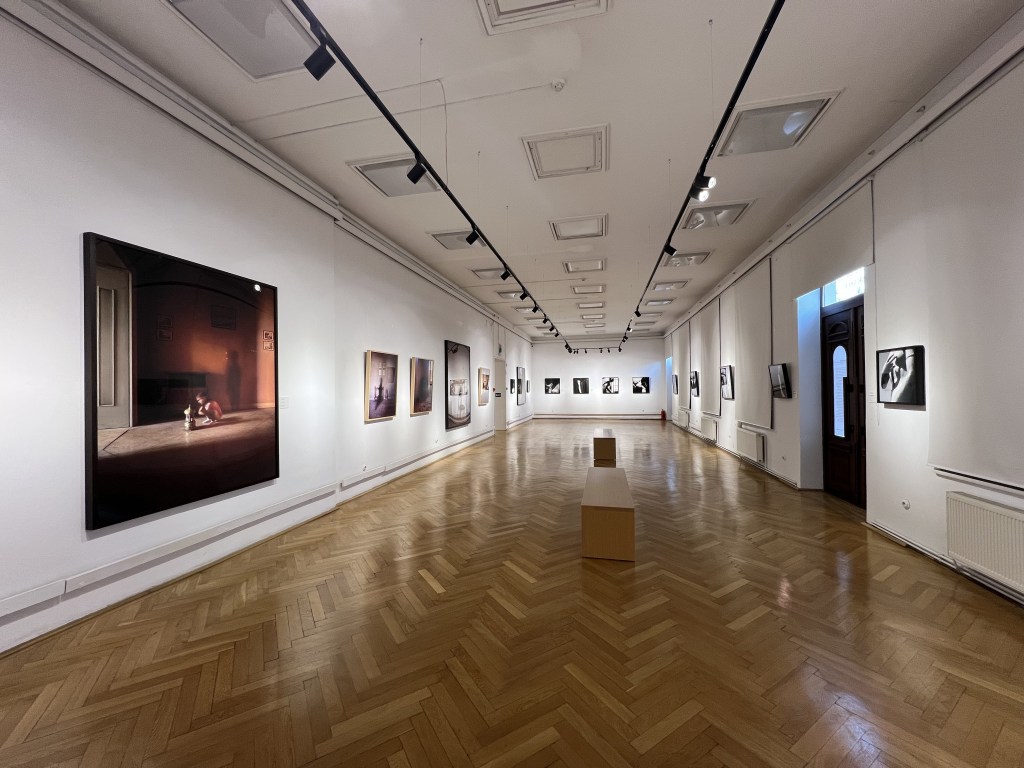
The exhibition invites viewers on a journey into photography as a language of introspection and memory. Although the practices of the three artists are rooted in distinct visual contexts, they converge around a shared intention: to look beyond the surface and uncover the invisible layers that shape human experience. Within this space of reflection, the image does not seek spectacle but rather the essence of reality, revealed gradually through attention and presence. Marcello Grassi brings to the forefront an ongoing dialogue between photography and archaeology, exploring the “Anatomy of Time” through the traces of the past preserved in historical sites and European architecture. Nicola Vinci, whose artistic sensibility is deeply informed by his background in painting, creates suspended spaces and lyrical atmospheres where the everyday becomes a realm of spirituality and anticipation. Ștefan Bădulescu, visual artist and faculty member at the University of Art and Design in Cluj-Napoca (UAD), expands the expressive potential of photography through digital collage, transforming immediate reality into a surreal world imbued with symbols and layered meanings.
Read the full text at the link below.




Ceea ce rămâne este ceea ce nu vedem
Brașov Art Museum
Short description:
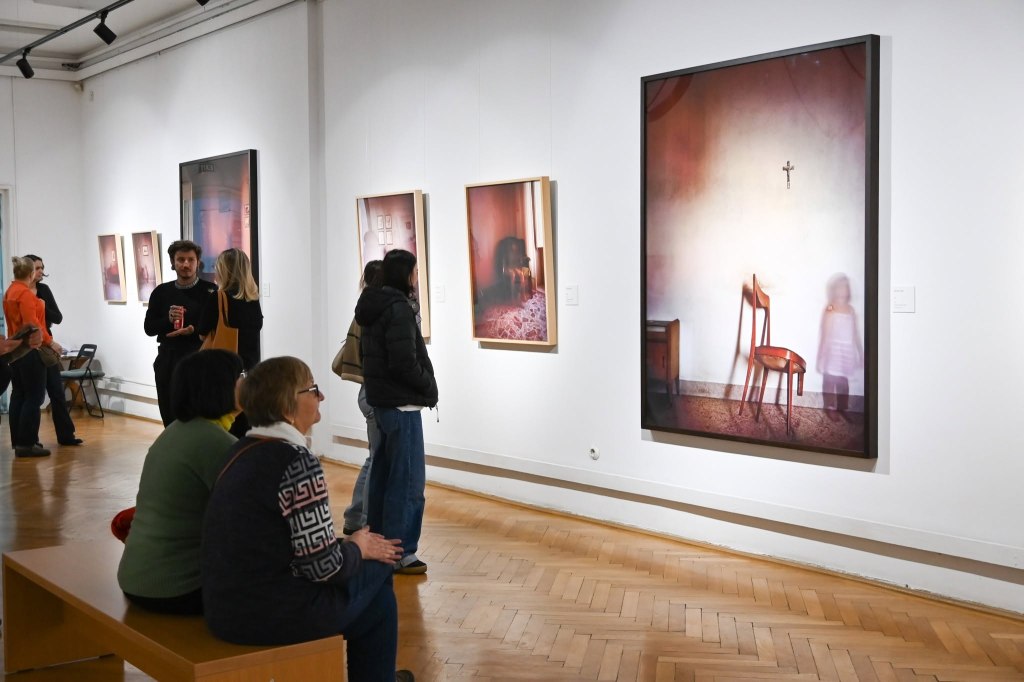
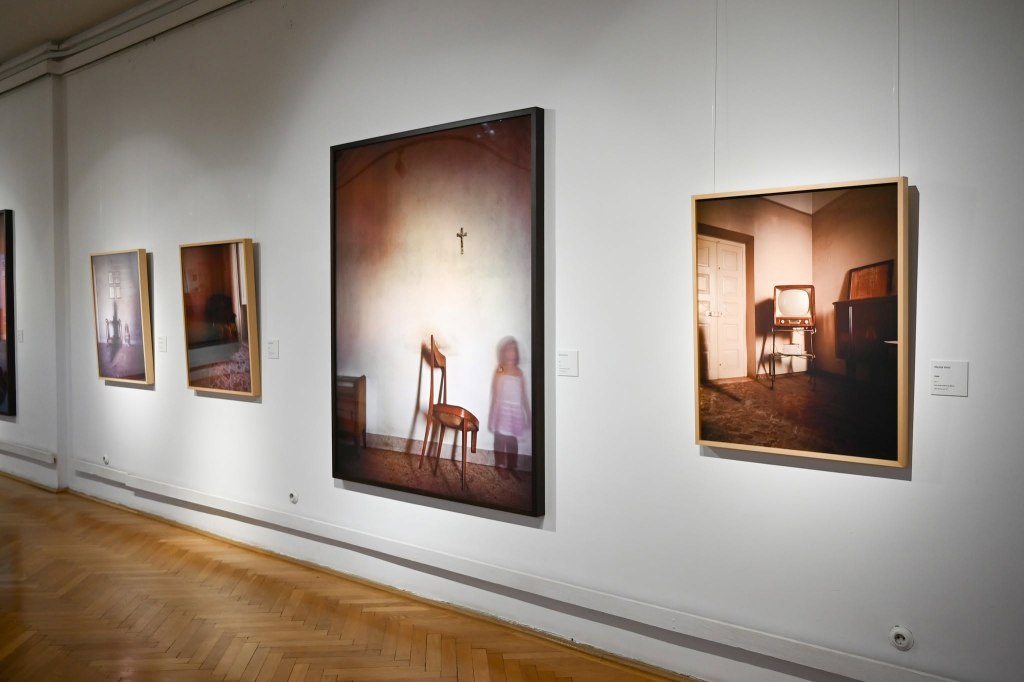
Ștefan Bădulescu, Nicola Vinci, and Marcello Grassi transform photography into a language of introspection, memory, and timeless inquiry. Although their artistic practices are rooted in different geographies and visual vocabularies, they converge around a shared impulse: to look beyond the surface and uncover the layered realities that shape the human experience. Together, the three artists compose a quiet yet profound symphony of reflection, turning photography into a language of introspection, memory, and timeless inquiry. The images on display speak of what lies beyond the visible, evoking inner states, forgotten spaces, and archetypal echoes that endure across generations. The exhibition invites viewers to slow down and inhabit the images not merely as spectators, but as participants in their emotional and symbolic resonance.
Read the full text at the link below.


Primăvara în Satul Românesc: Băbăluda
Etnographic Museum of
Transylvania
Short description:
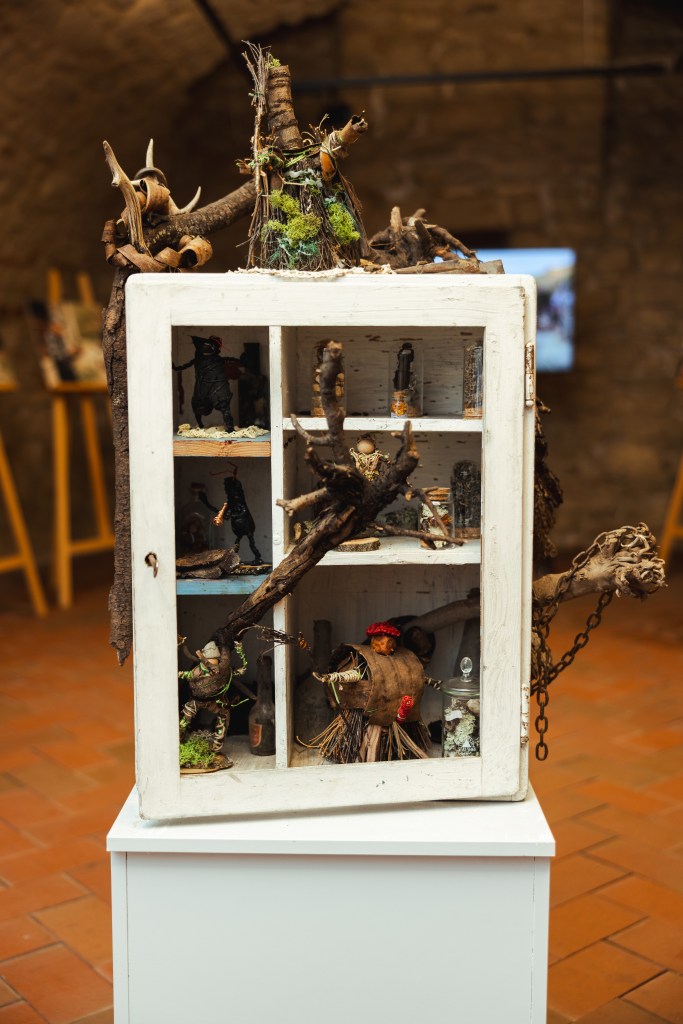
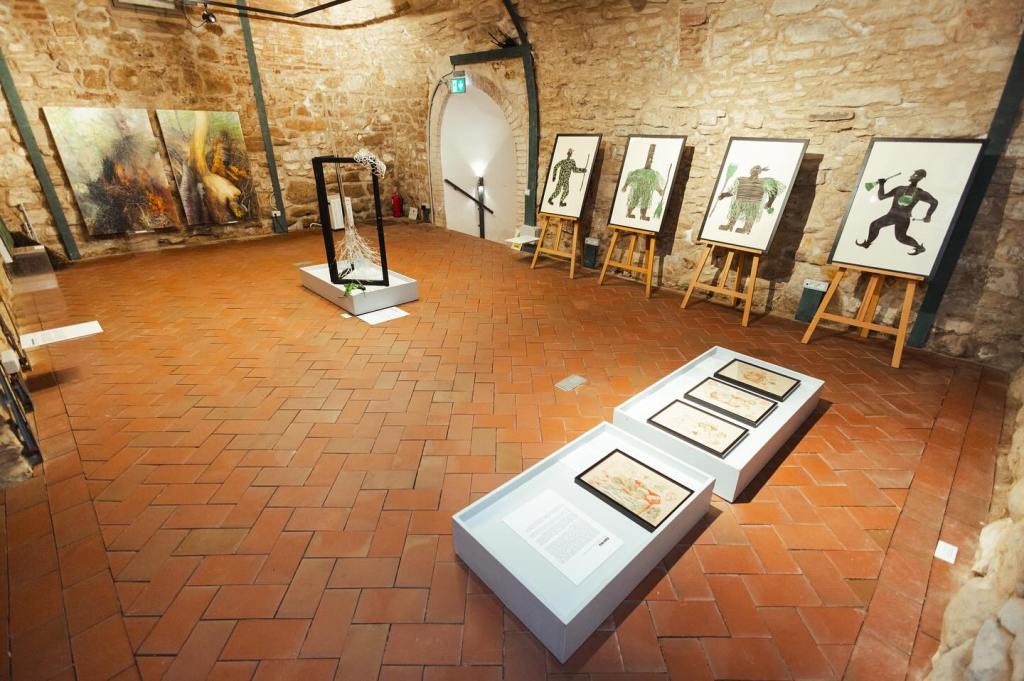
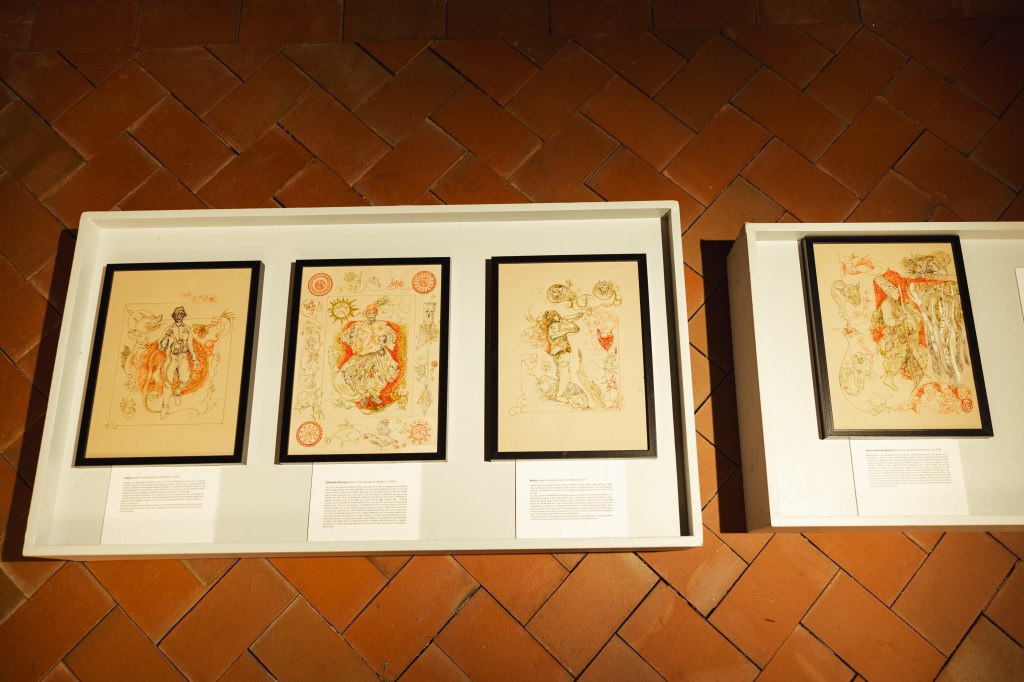
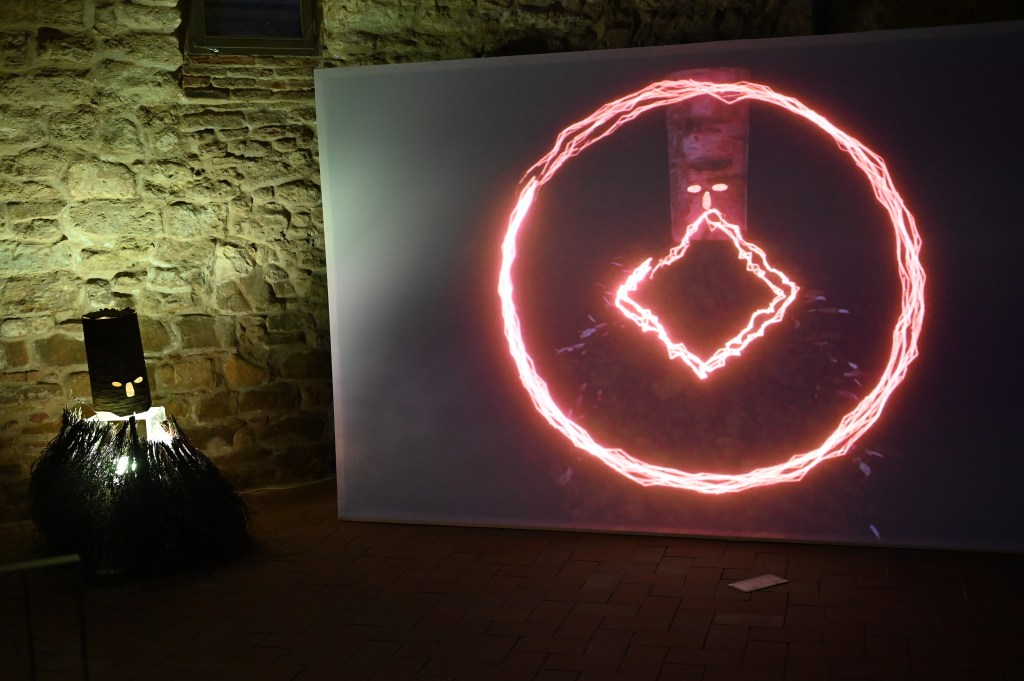
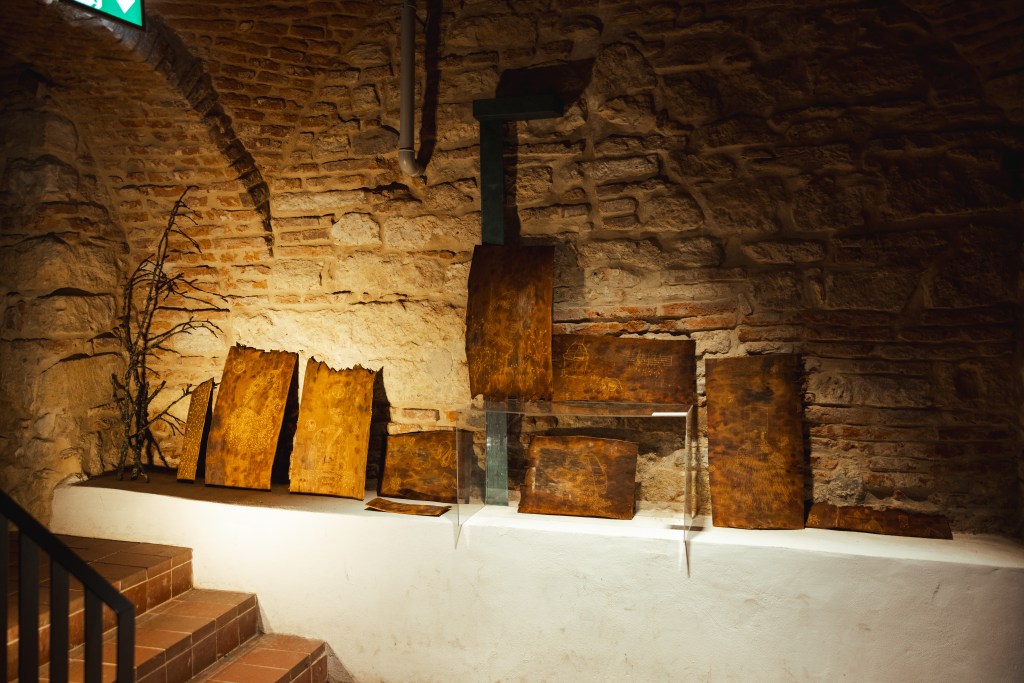
Băbăluda brings together Romanian and international artists who gathered in the village of Buru, at the foot of the Apuseni Mountains, to explore and reinterpret a rare and complex rural ritual. Rooted in living tradition yet on the edge of disappearance, this collective artistic project transforms the spring celebration of Băbăluda—with its symbols of initiation, masculinity, and nature—into a reflection on memory, transformation, and fragility. Through installations, performances, and visual reinterpretations, the exhibition questions gender roles, the bond between humans and nature, and the place of art as both witness and renewal. Băbăluda becomes not a monument to tradition, but a mirror of what remains, asking: How do we keep something alive without freezing it in time?
Read the full text at the link below.







Crossing Time
Iaga Contemporary Art
Short description:
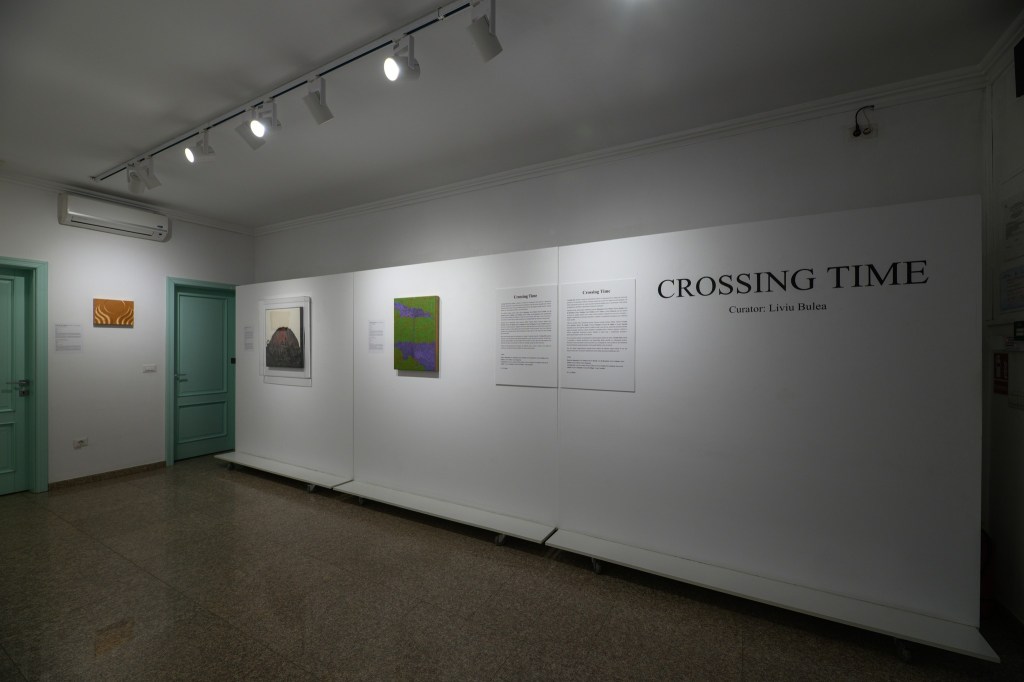
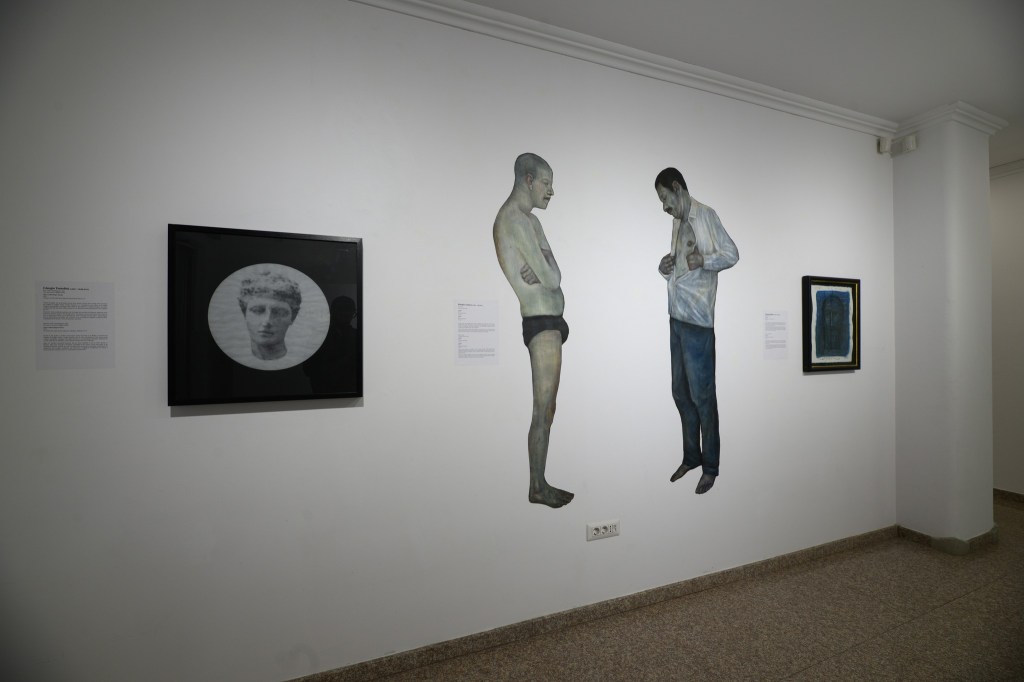
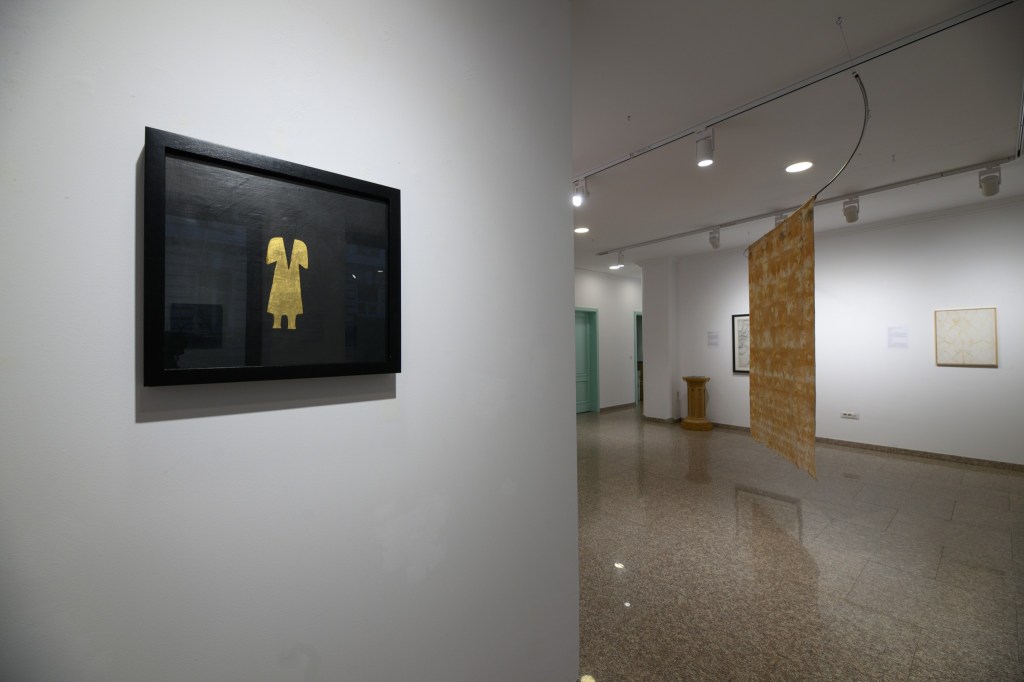
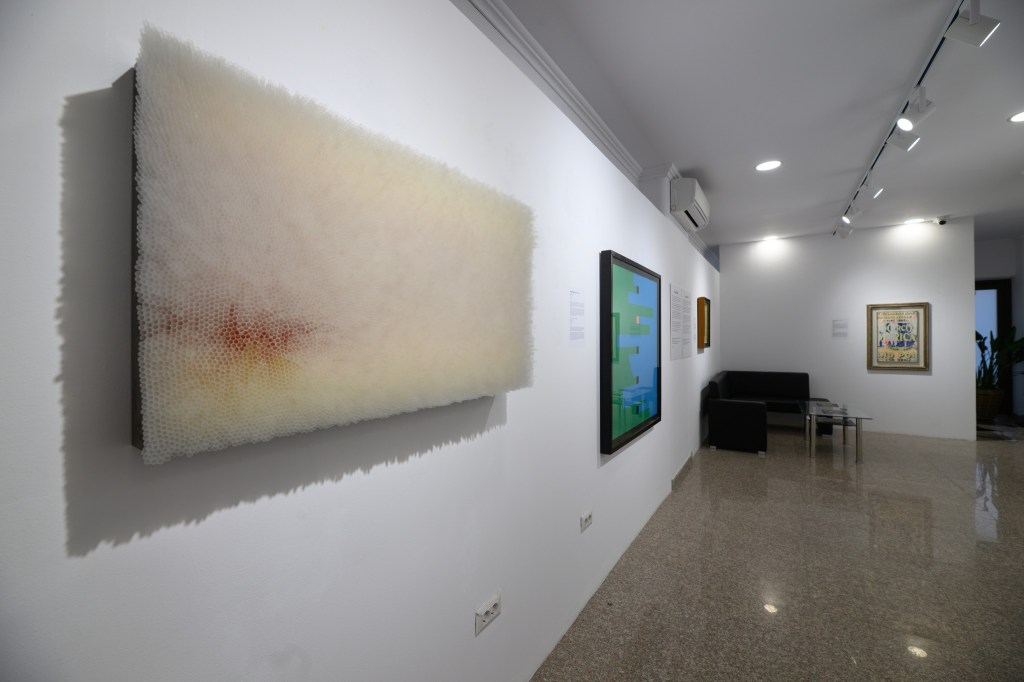
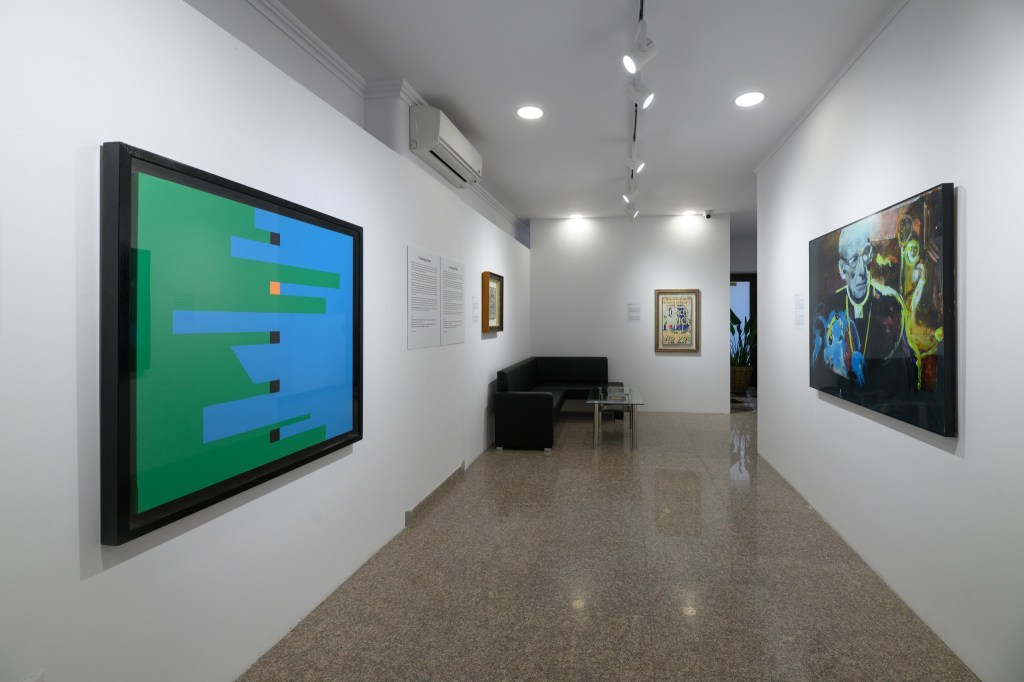
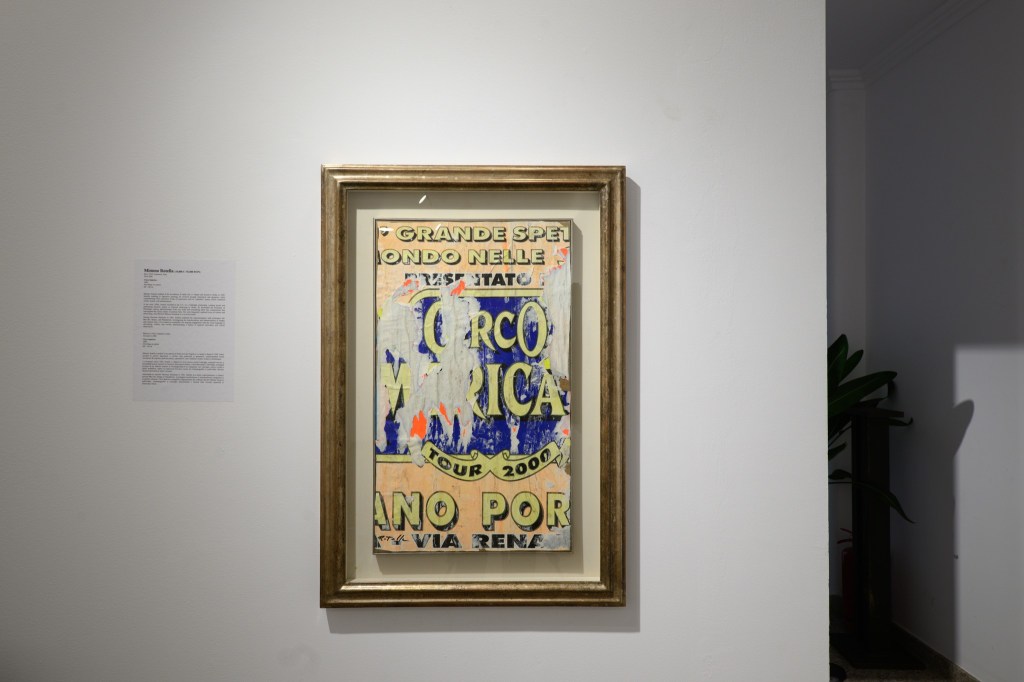
Crossing Time unites modern and contemporary Italian artists in an intergenerational dialogue that transcends boundaries of style and era. Featuring masters such as Dadamaino, Bruno Munari, Mimmo Rotella, and Emilio Vedova alongside today’s voices like Francesco Arecco, Silvia Inselvini, and Francesca Pasquali, the exhibition explores the evolution of Italian art — from post-war innovation to contemporary experimentation. Through this encounter, Crossing Time reveals a living continuum where tradition meets transformation, inviting viewers to reflect on the ever-renewing language of Italian creativity.
Read the full text at the link below.







Ștefan Bădulescu, “Transcending Realities”
Iaga Contemporary Art
Short description:
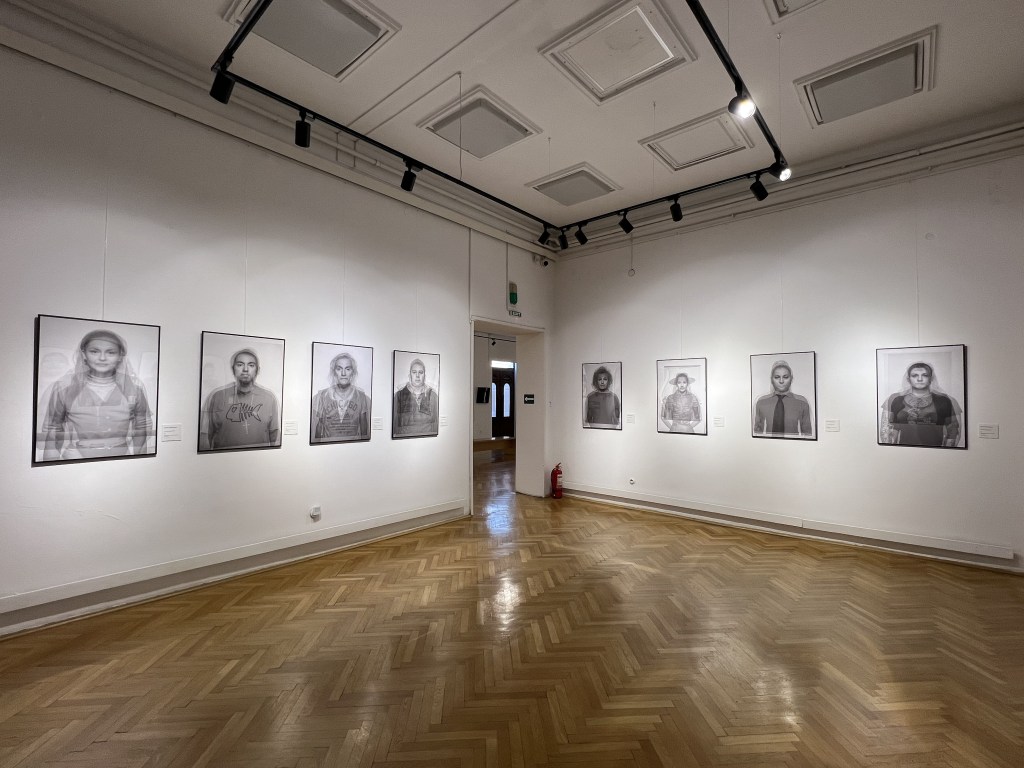
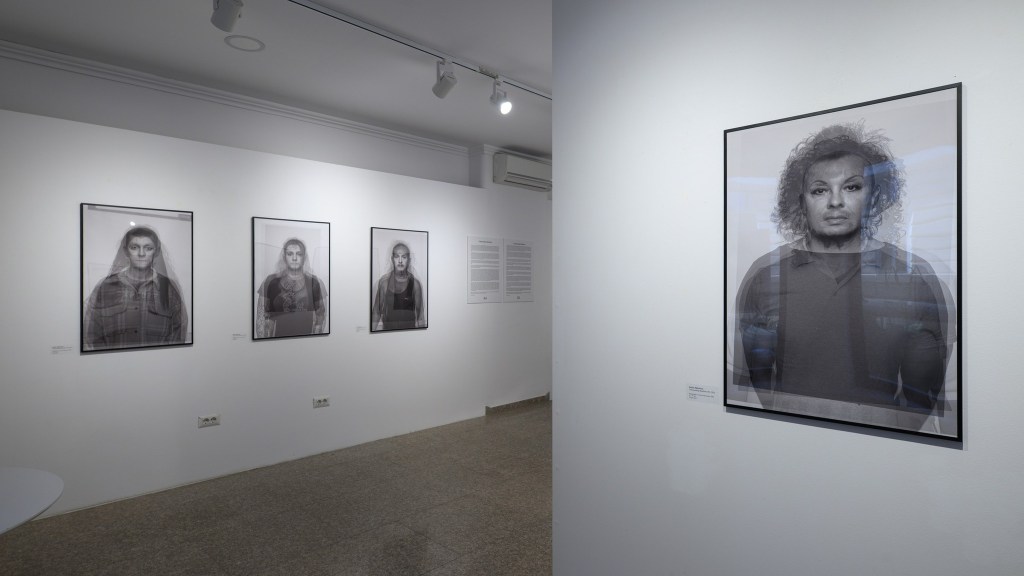
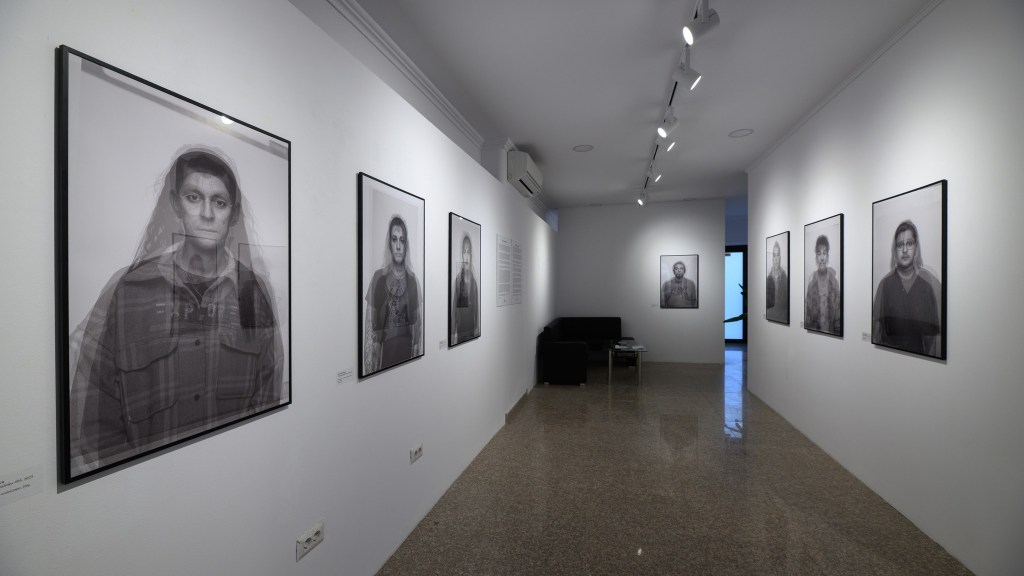
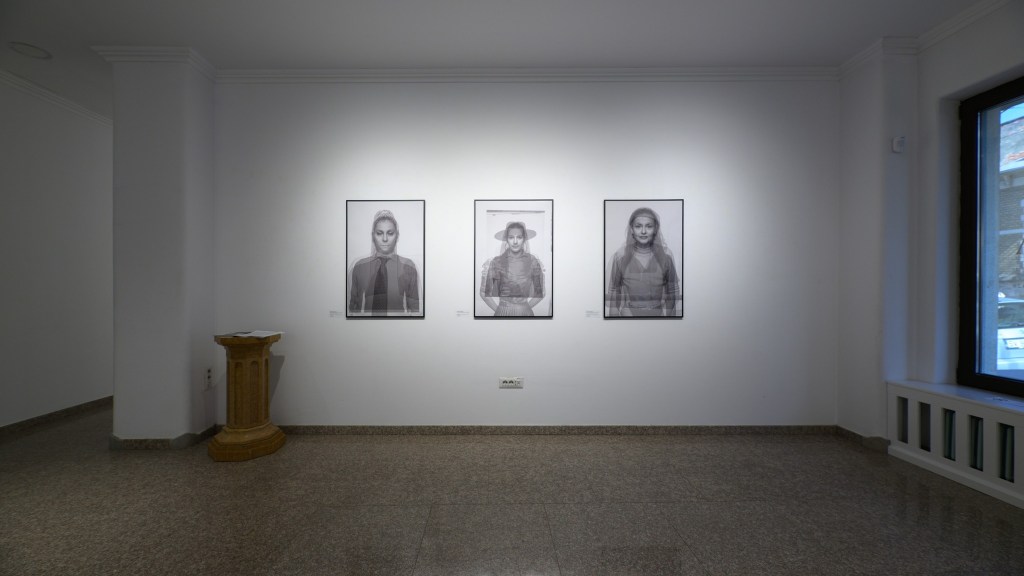
Transcending Realities by Ștefan Bădulescu is a photographic exploration of human archetypes, seeking to move beyond labels and surface judgments to reveal the shared essence that connects us all. Through striking portraits and surreal digital transformations, Bădulescu blends light, symbolism, and emotion to uncover the complexity of existence and the depth of human identity. Each image becomes both a mirror and a portal—inviting reflection, empathy, and a renewed understanding of our collective humanity. The exhibition is a profound visual meditation on unity, diversity, and introspection, transforming photography into a space where the real and the imaginary coexist.
Read the full text at the link below.





Narratives of Now
Voyages Numeriques Festival by French Instituite in Cluj – Iaga Contemporary Art
Short description:
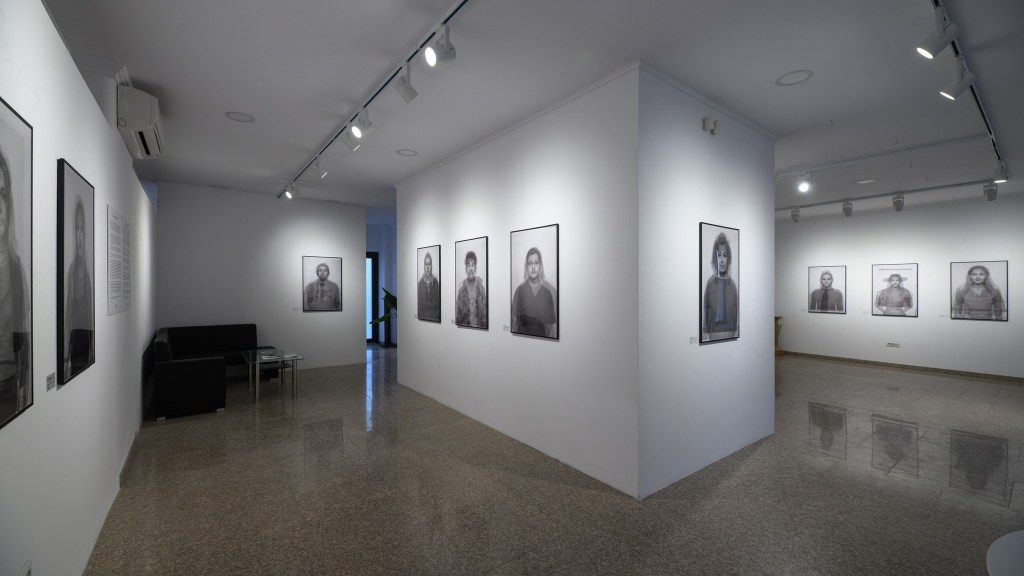
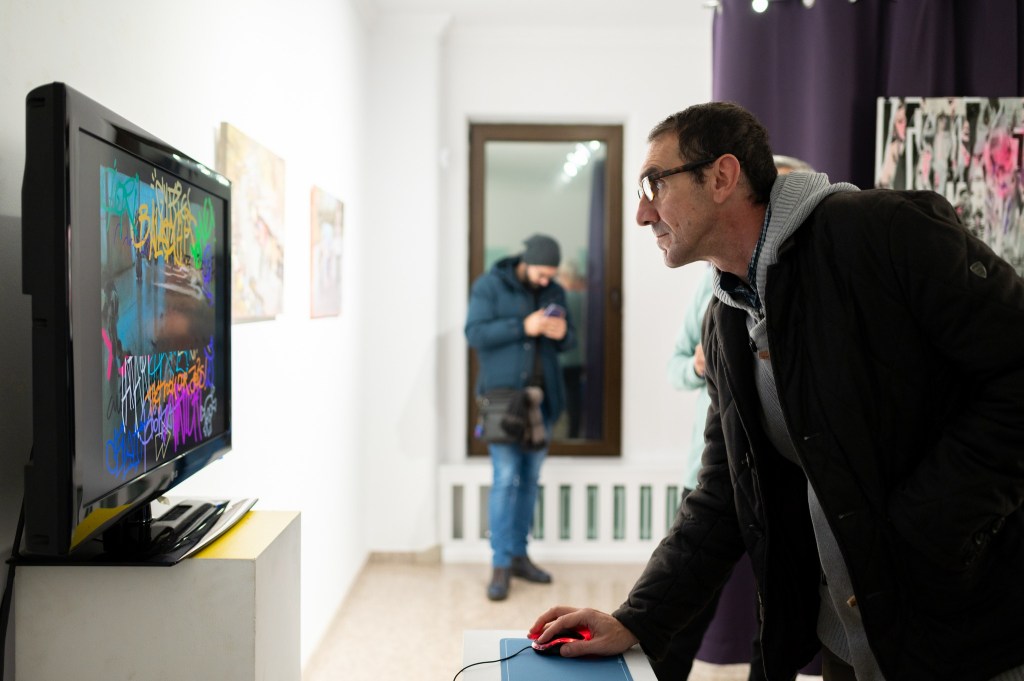
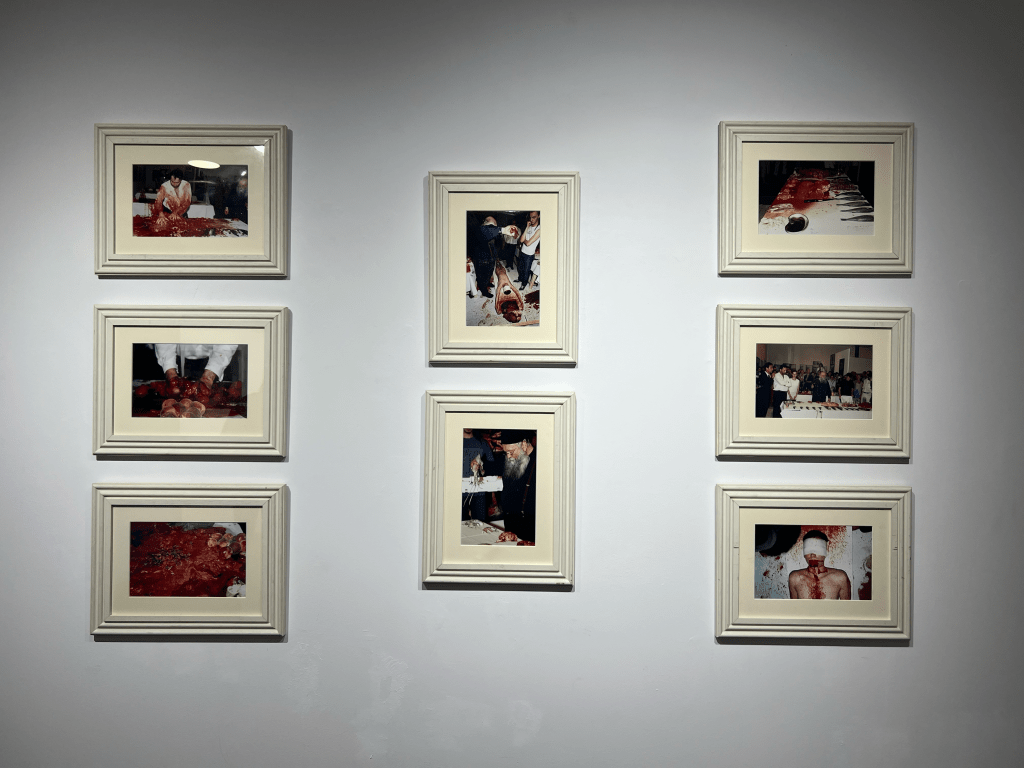
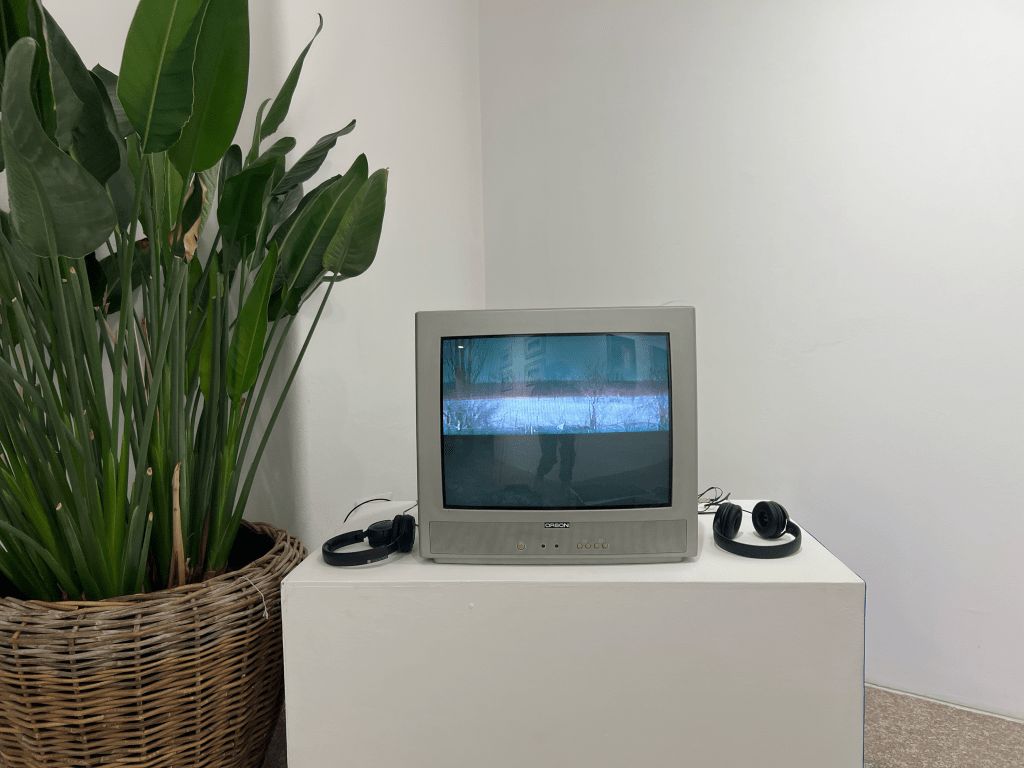
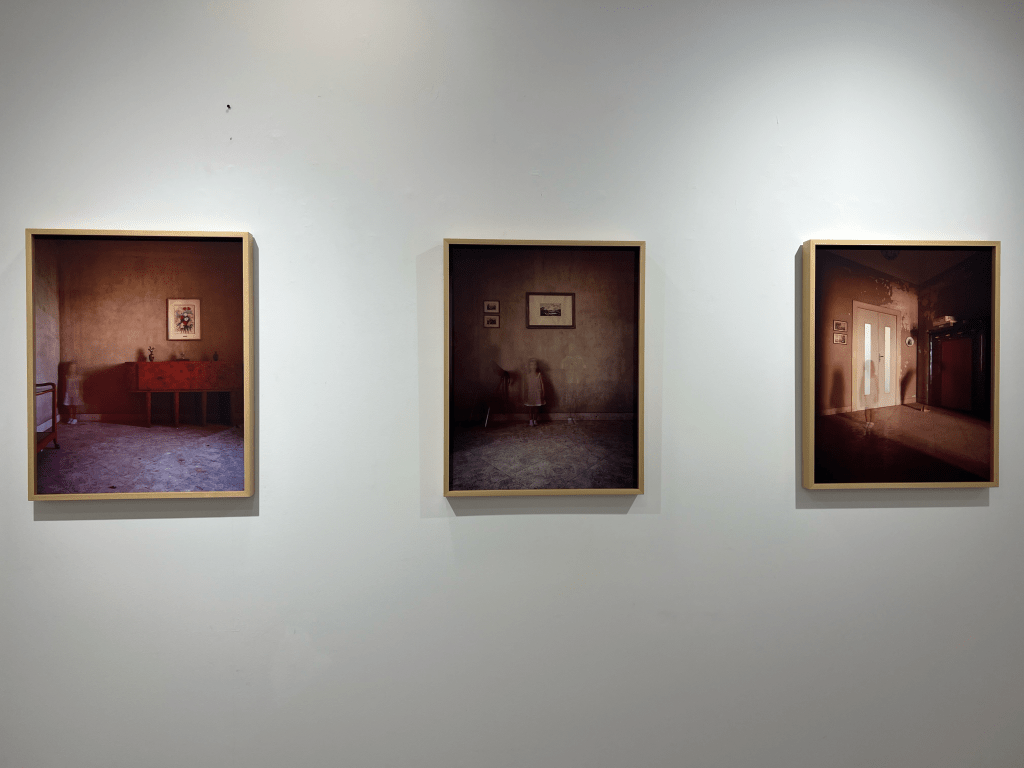
The exhibition explores art as a form of protest and social change, bringing together eight artists who temporarily occupy the Iaga Gallery. Structured in three chapters – Ecological Revival, Political Transformation, and Poetic Ascendance – the exhibition reflects the struggle for justice, equality, and social dialogue. The artists use their creativity to address pressing social issues, transforming the gallery into a platform for awareness and collective engagement.
Read the full text at the link below.






Journeys of Love
Iaga Contemporary Art
Short description:
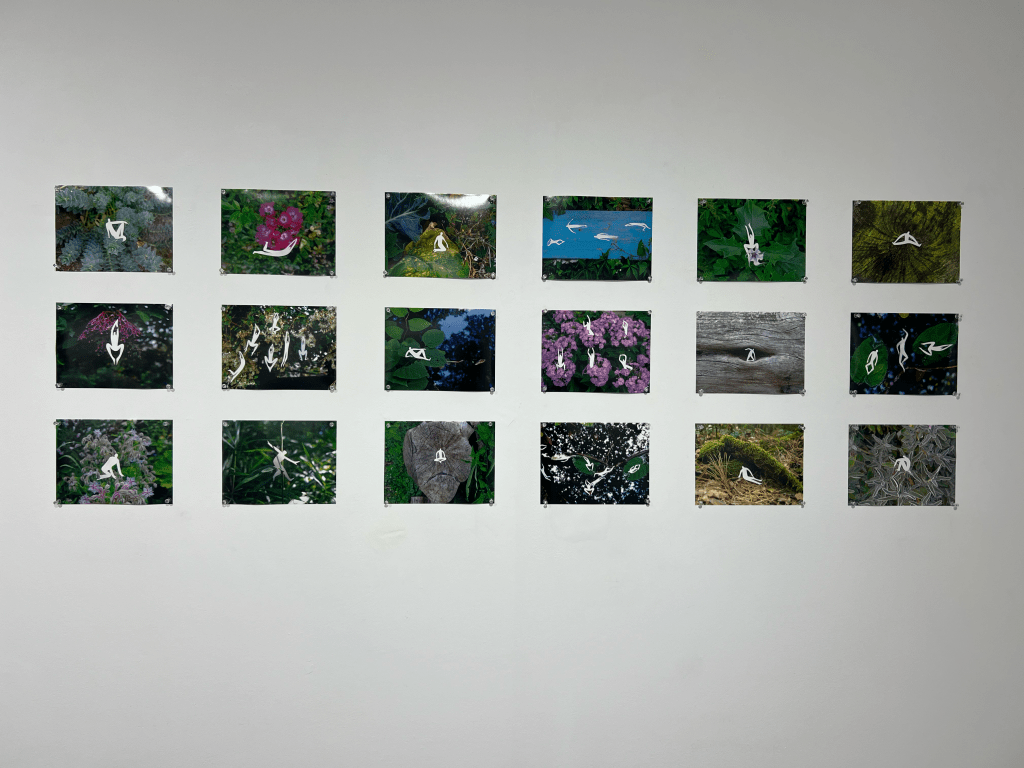
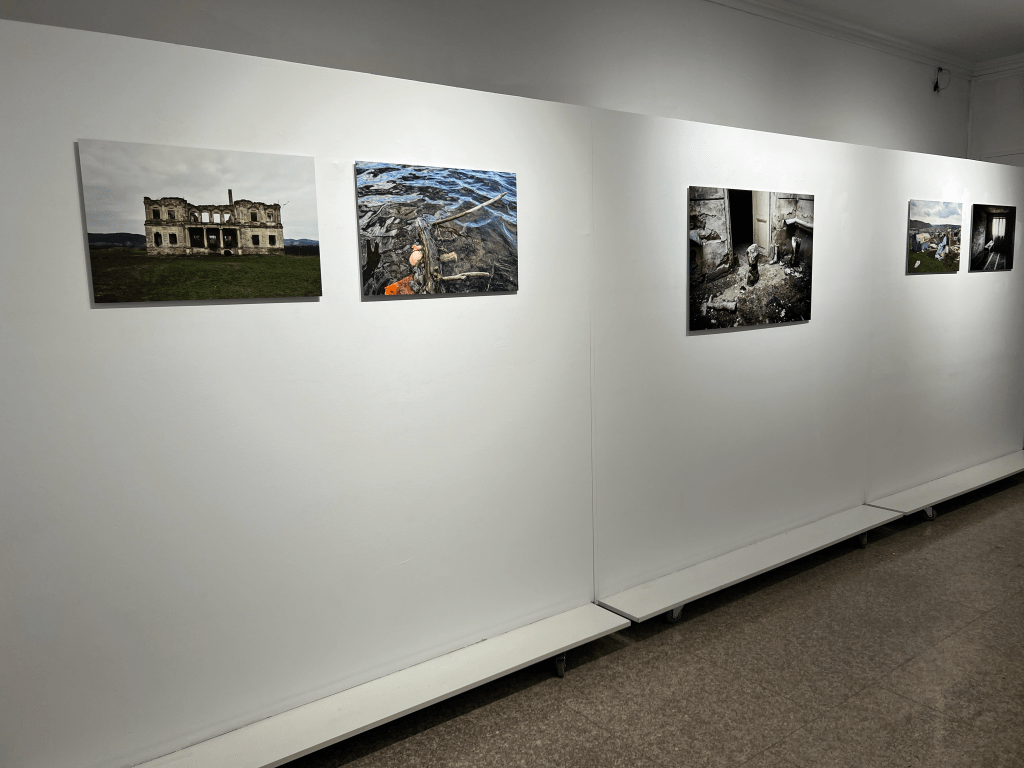
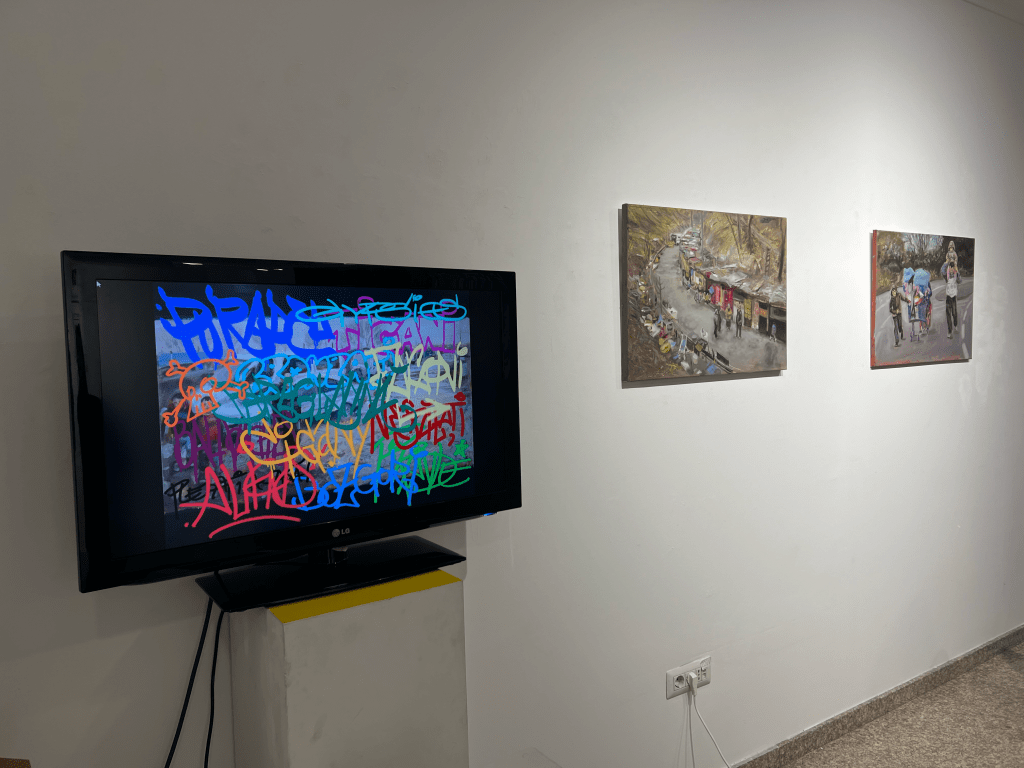
Journeys of Love brings together a diverse group of artists exploring the many dimensions of love within the LGBTQ+ community — from romantic and familial love to self-acceptance and solidarity. The exhibition highlights love as a universal yet deeply personal experience, shaped by resilience, vulnerability, and authenticity. Through moving works that address identity, activism, and inclusion, the show honors the stories of LGBTQ+ individuals and those living with HIV, celebrating courage, diversity, and the ongoing pursuit of equality. Journeys of Love is both a celebration and a call to reflection — an invitation to see love as a force for connection and social transformation.
Read the full text at the link below.
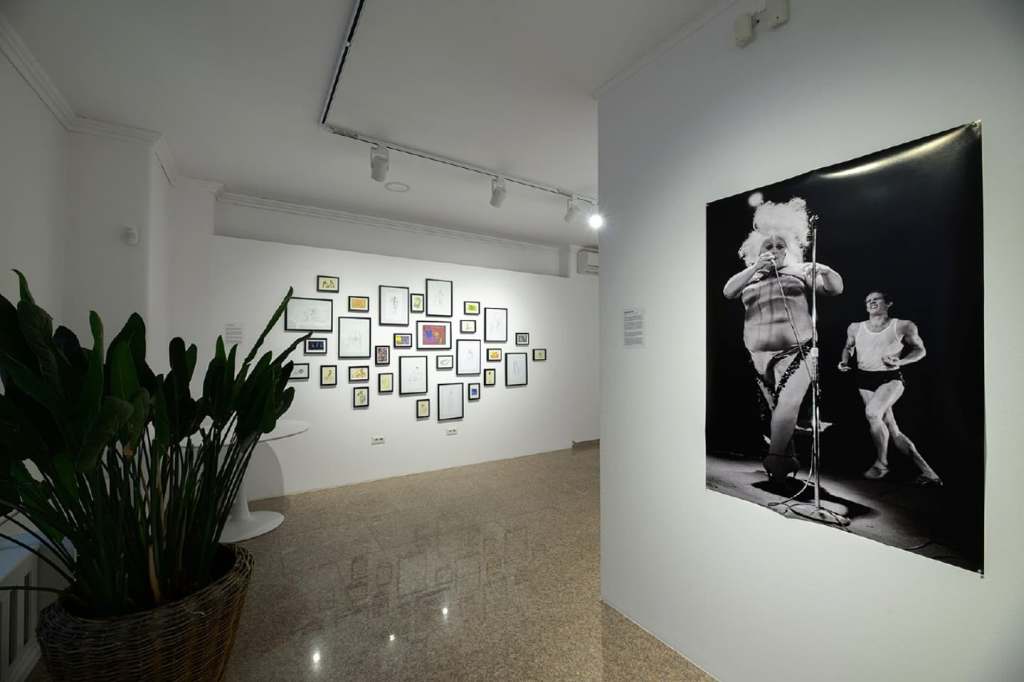

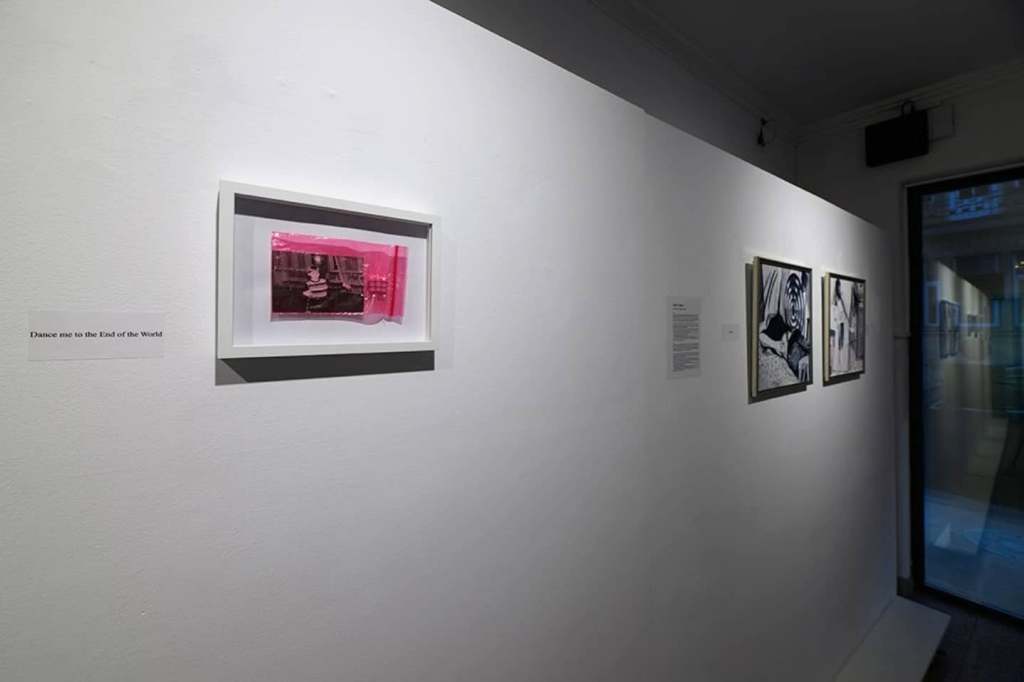
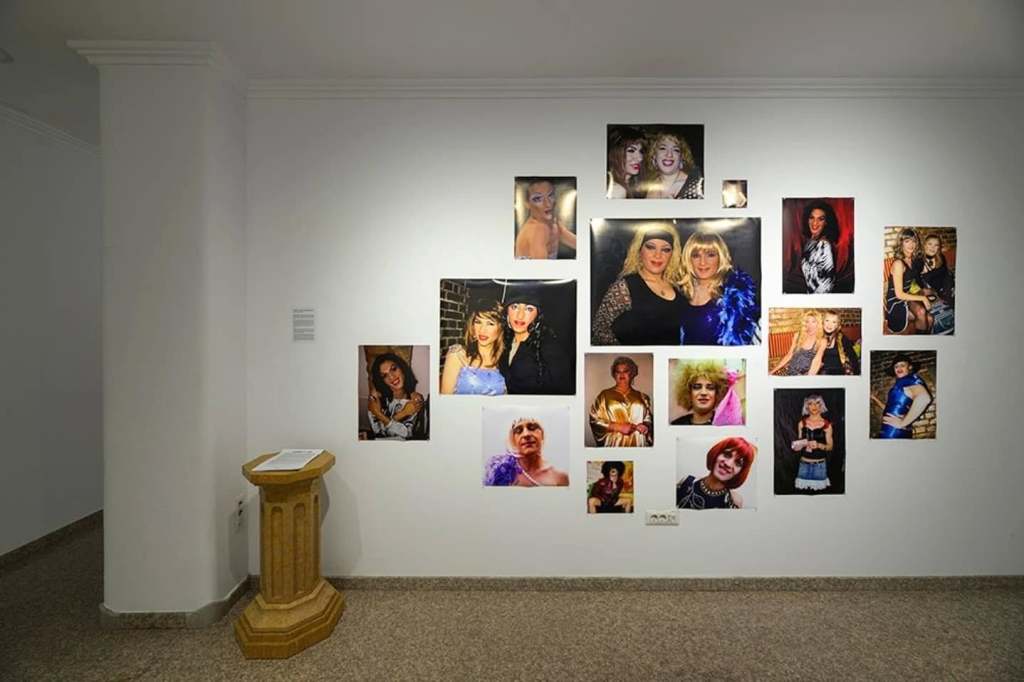
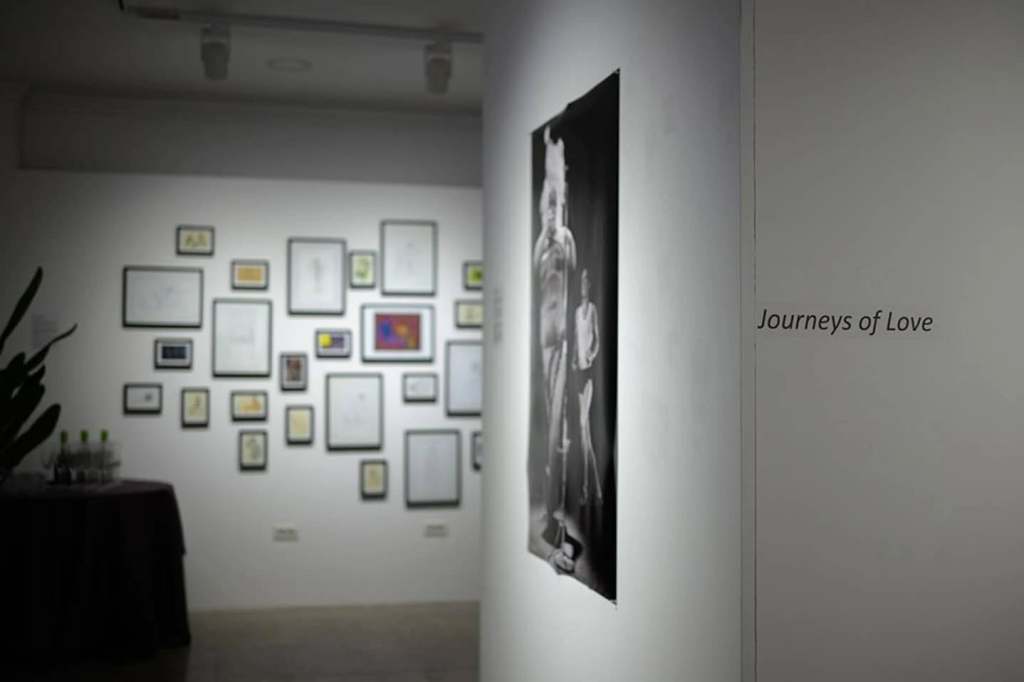

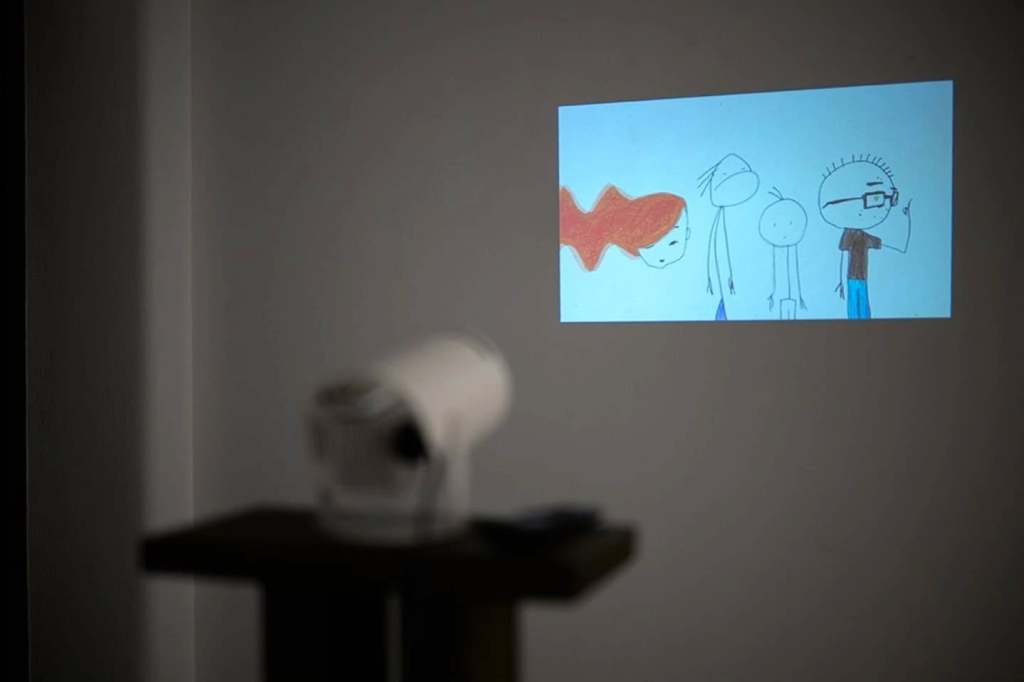


A iubi nu înseamnă a ne privi unul pe celălalt, ci a privi amândoi în aceeași direcție.
French Institute, Cluj
Short description:
The exhibition “To Love Does Not Mean to Look at Each Other, But to Look Together in the Same Direction” invites viewers on an intimate and emotional journey through the many dimensions of love — from familial and platonic bonds to romantic and spiritual devotion. Through artworks inspired by myth, literature, and personal experience, the show explores love’s power to heal, transform, and transcend time and space. Reflecting on legendary tales like Orpheus and Eurydice, Tristan and Isolde, and Romeo and Juliet, the exhibition reveals love as both strength and fragility — a force that defines humanity itself. It stands as a poetic tribute to love in all its forms, echoing Antoine de Saint-Exupéry’s timeless idea that true love means “looking together in the same direction.”
Read the full text at the link below.





Rada Niță, “Protecție și magie în imaginarul popular românesc”
French Institute, Cluj
Short description:
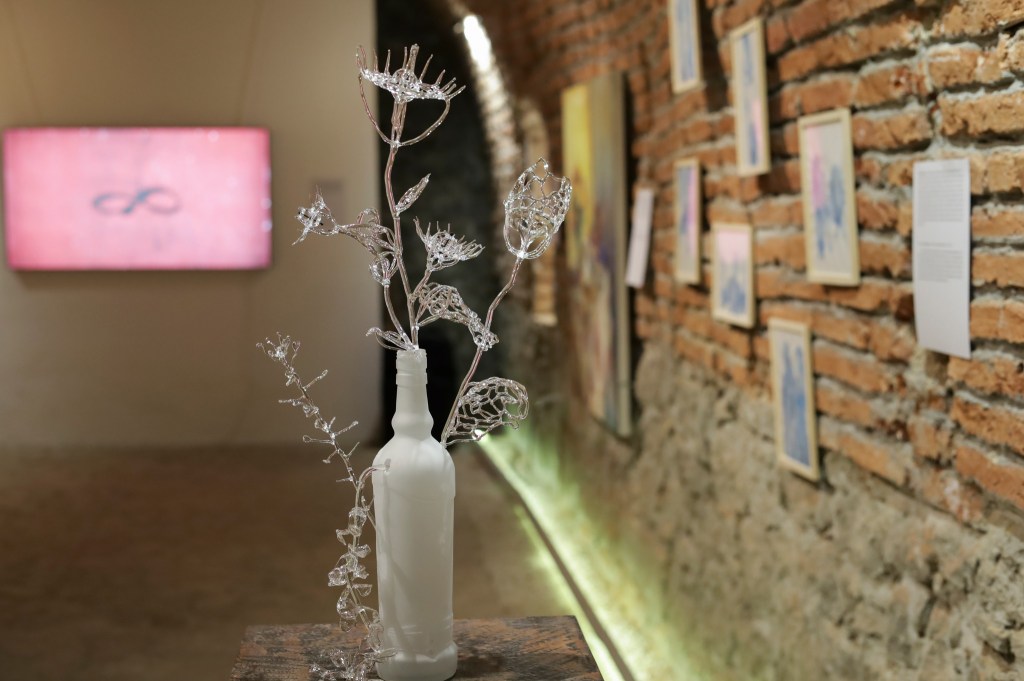
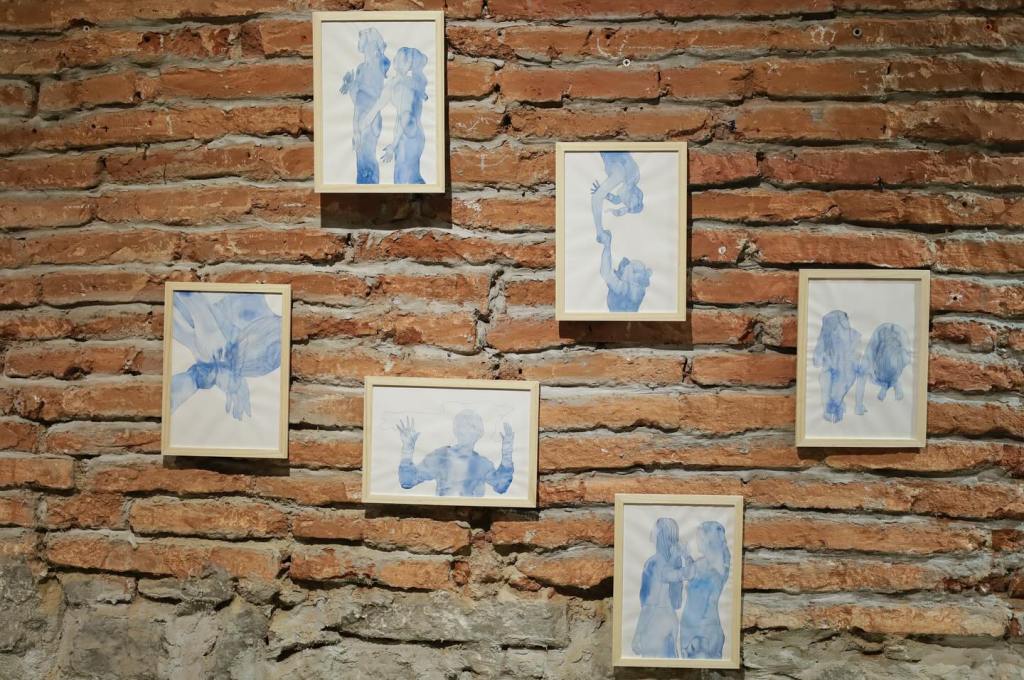
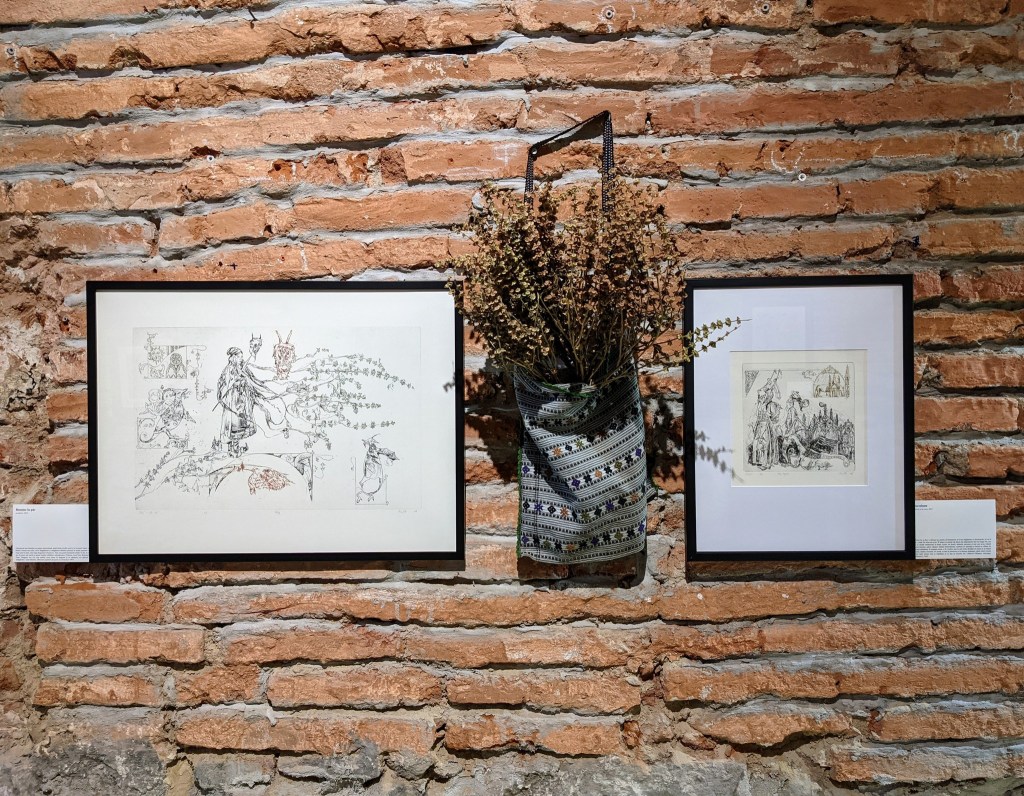
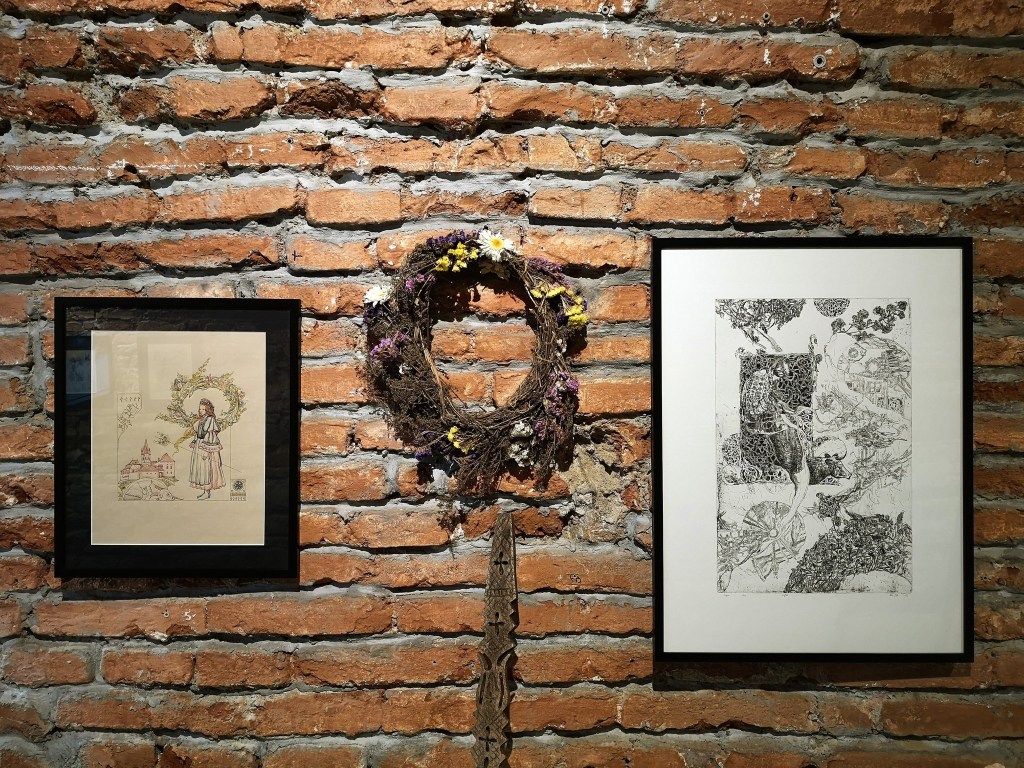
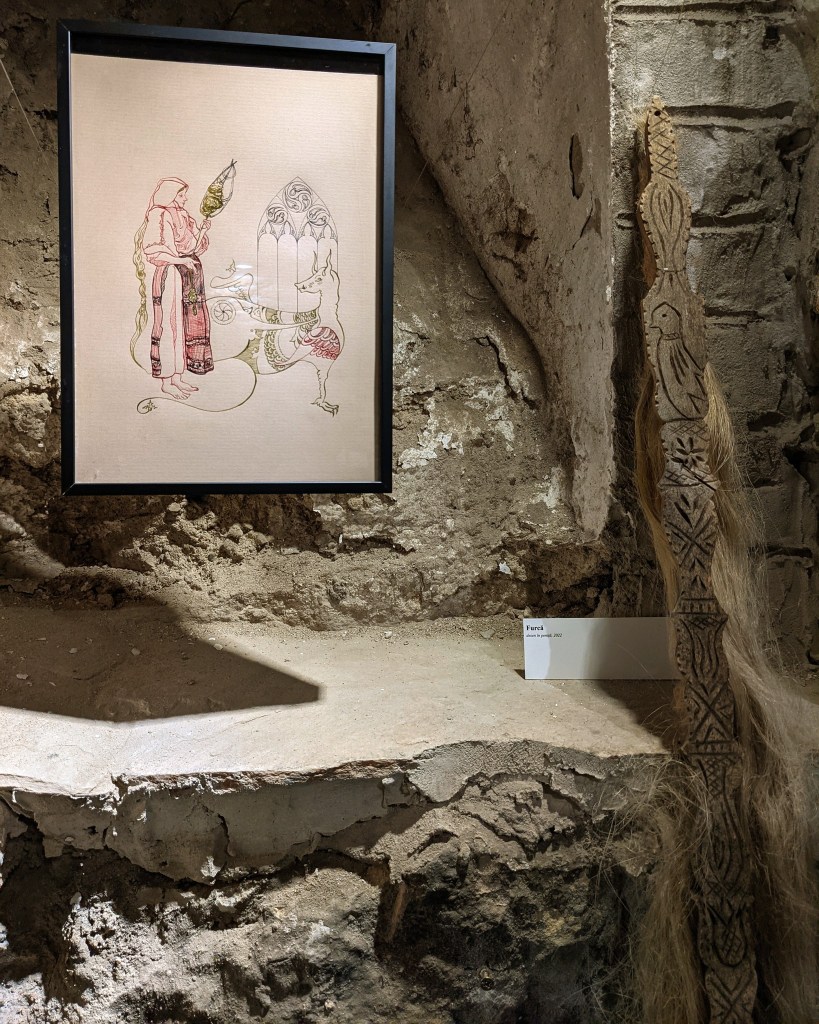
Rooted in ethnographic and anthropological research on the protective and magical functions of traditional Romanian household objects, this exhibition reimagines ancient folk beliefs within a contemporary artistic framework. Through etchings, pen drawings, and installations, the artist conjures a bestiary of witches, spirits, and demons — tamed by the presence of rural tools such as spindles, distaffs, and hemp. Complemented by symbolic plants like sânziene and basil, as well as by objects of travel such as traditional shoes (opinci) and bags, the show becomes a journey through memory, identity, and ancestral protection. Paying homage to artist Mariana Gheorghiu, the project continues the dialogue between folk heritage and modern creation, curated by Liviu Bulea.
Read the full text at the link below.





Béla Zoltán, Sașa Bandi, Vlad Olariu, Tudor Costin, “The Silent Stories of the City”
French Institute, Cluj
Short description:
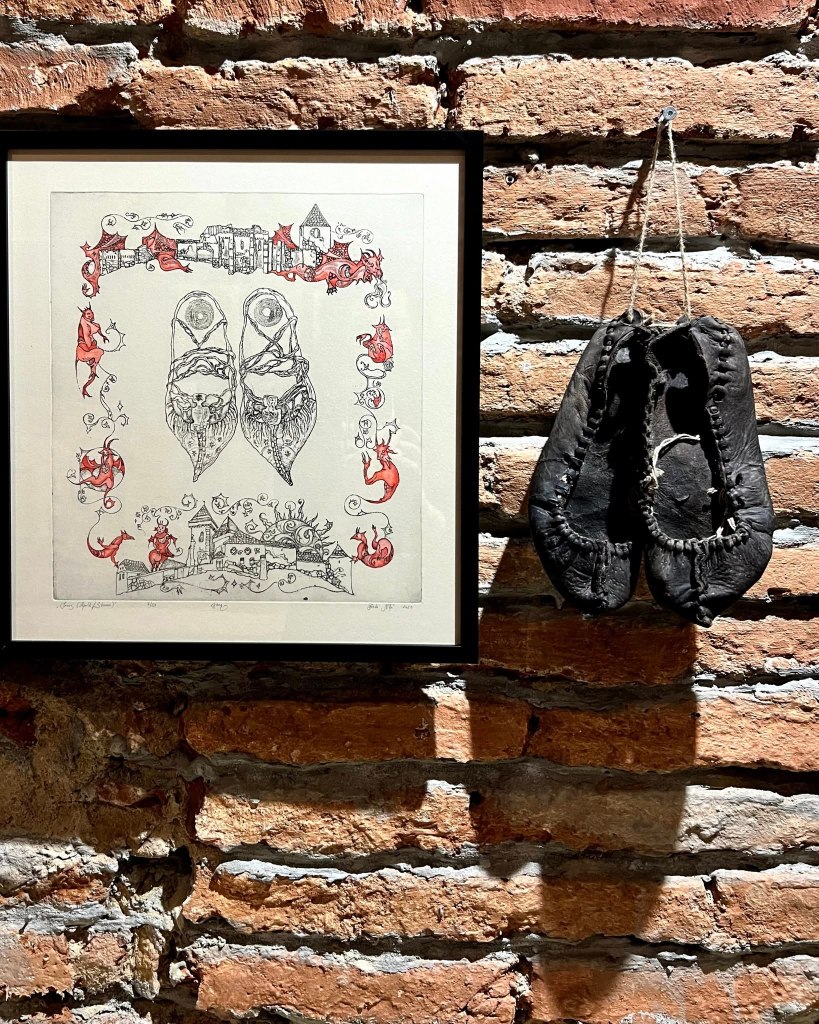
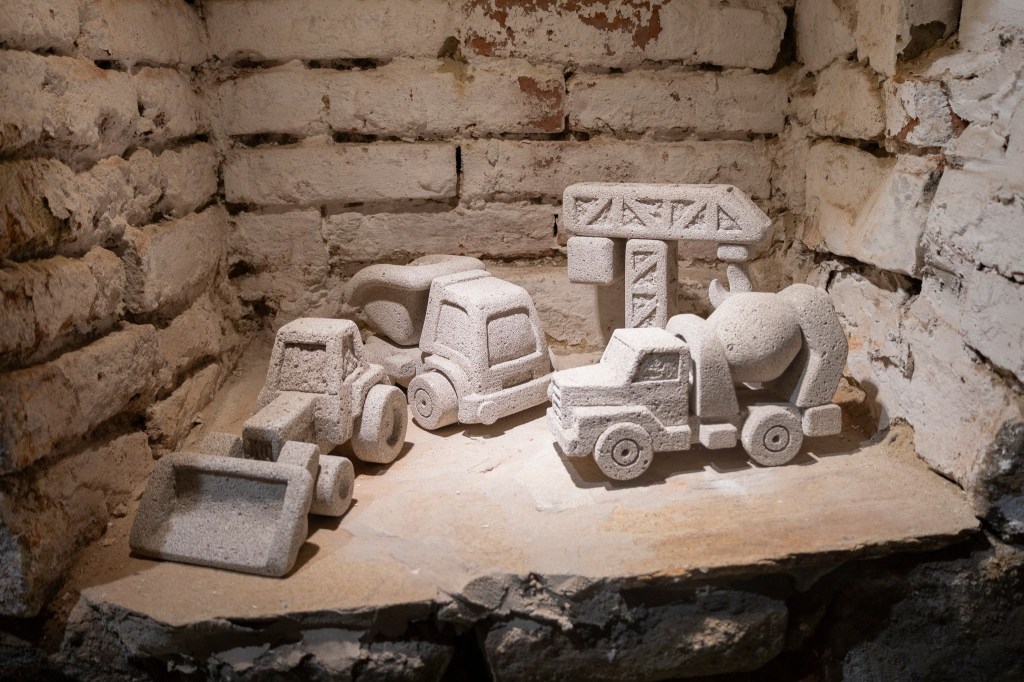
The Silent Stories of the City draws inspiration from Gordon Matta-Clark’s concept of Anarchitecture — a radical way of rethinking how we interact with urban spaces. The exhibition explores forgotten corners of the city, transforming neglected objects and materials into new artistic forms that reveal the hidden beauty of the overlooked. Blending art, design, and architecture, the participating artists embrace creative reuse and sustainability, echoing the spirit of Arte Povera and the principles of the circular economy. Through this process, they breathe life into the city’s “silent stories,” inviting us to see the urban landscape through fresh, more conscious eyes.
Read the full text at the link below.




Andreea Chiricā și Rāzvan Ion „Gradual Decline”
Visual Kontakt Gallery
Short description:
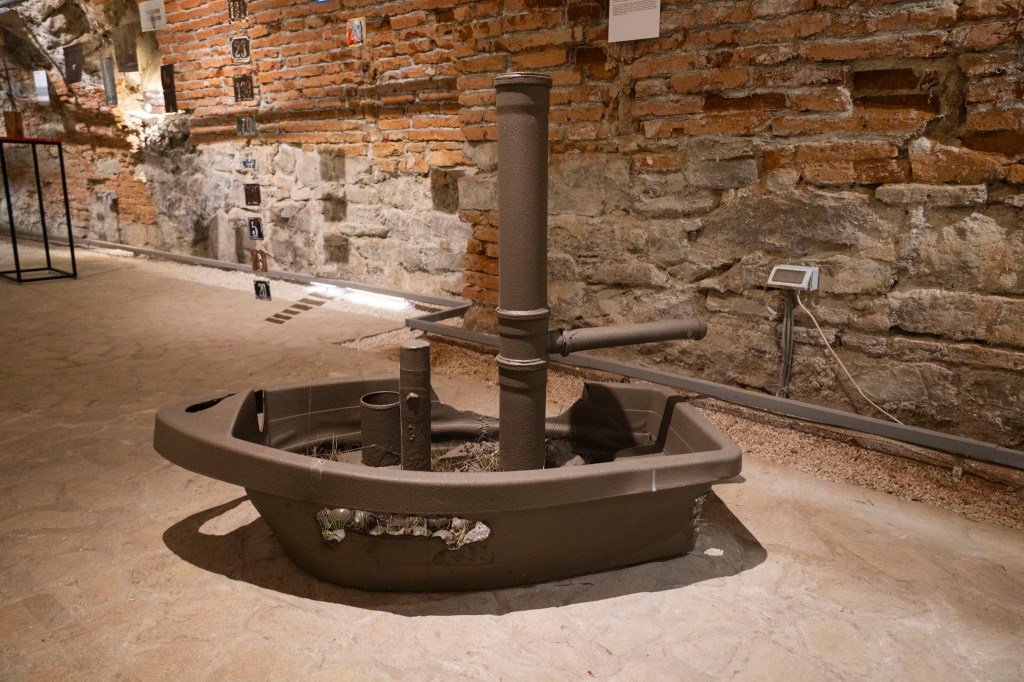
Gradual Decline unites artists Andreea Chiricā and Răzvan Ion in a deeply personal exploration of loneliness and depression, expressed through distinct yet complementary visual languages. Chiricā invites viewers into her introspective, interactive world of illustrated narratives, while Ion captures quiet, contemplative moments of emotional refuge through photography. Together, their works reveal two intimate perspectives on vulnerability, self-reflection, and the search for balance in a restless world.
👉 Read the full text at the link below.




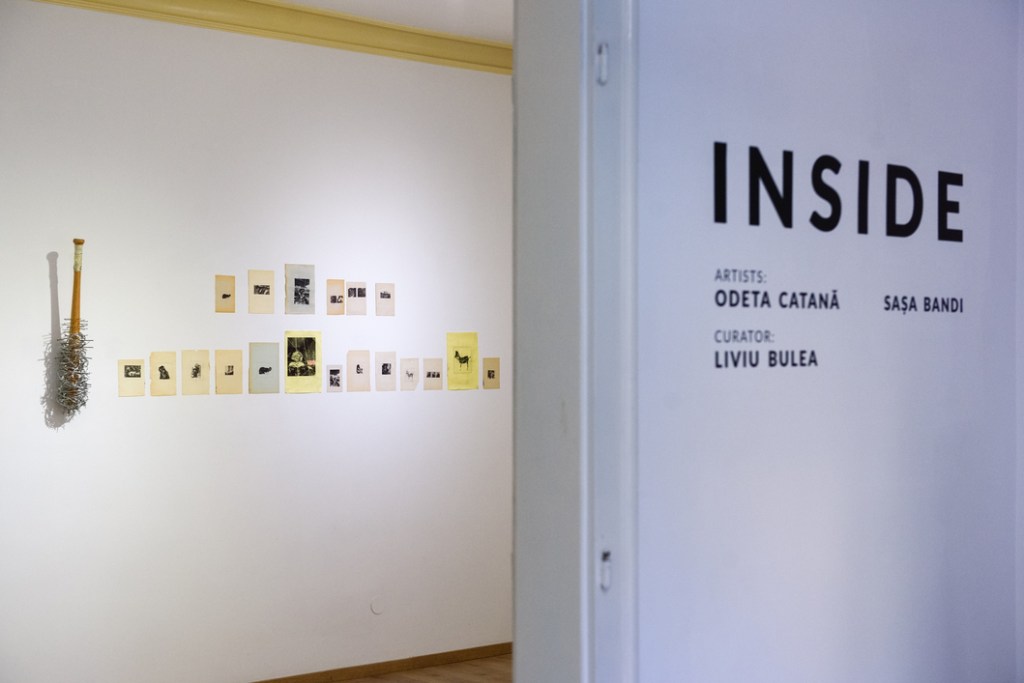
Sașa Bandi, Odeta Catană „Inside”
Visual Kontakt Gallery
Short description:
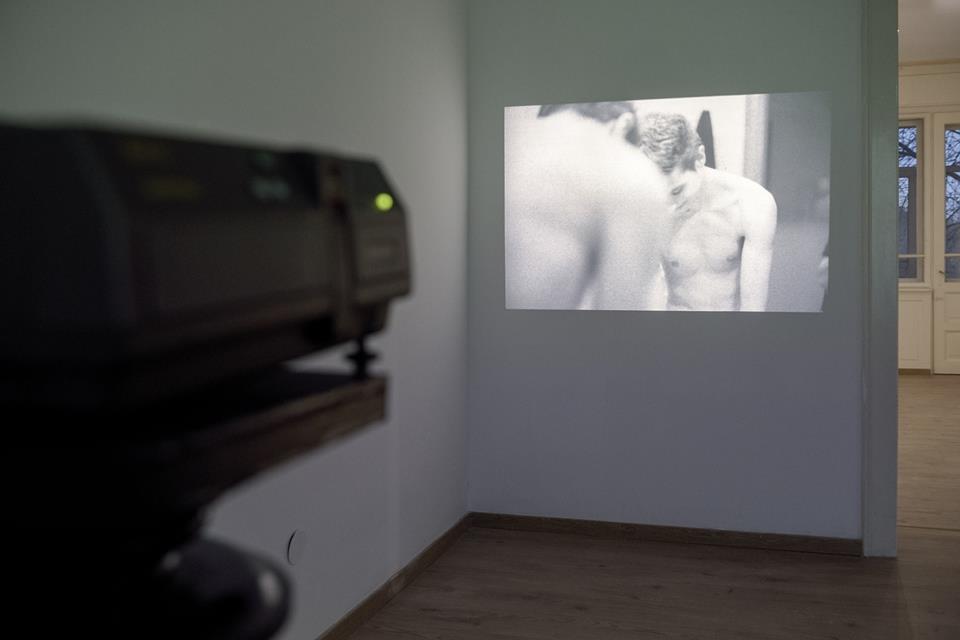
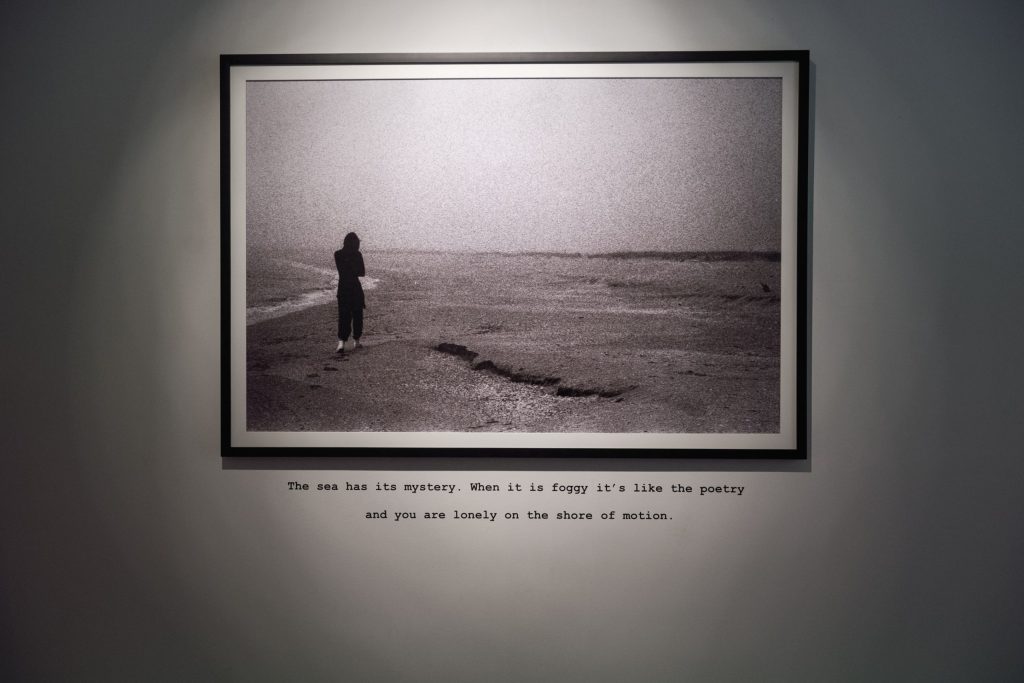
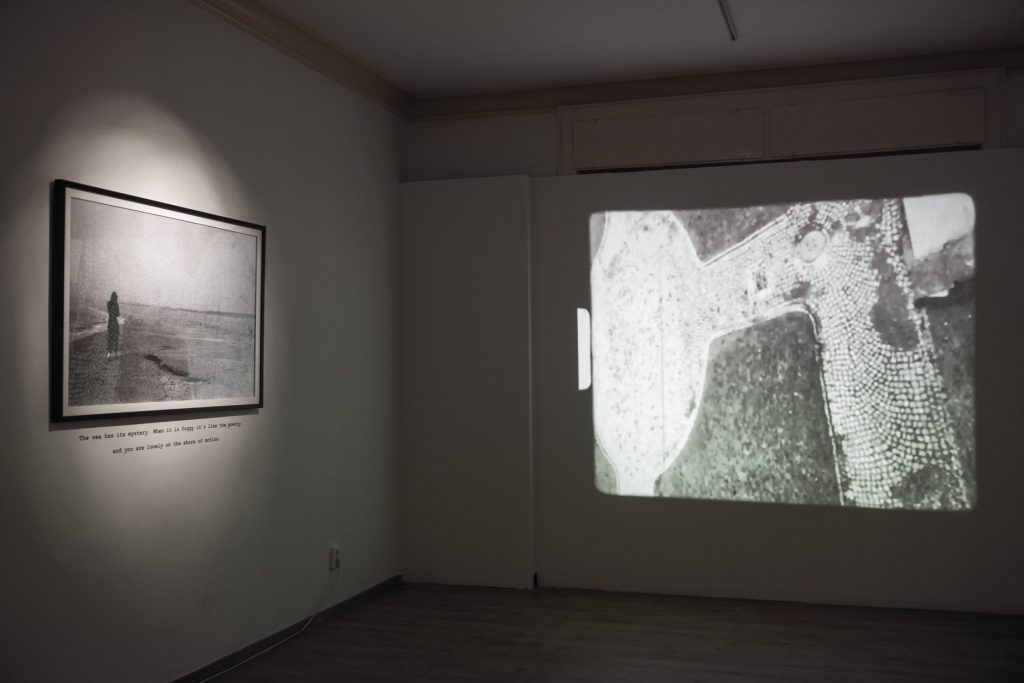
Inside brings together artists Odeta Catană and Sașa Bandi, who explore the complex realities of mental health, psychiatric institutions, and the boundaries between inner and external confinement. Catană’s documentary photographs reveal the stark truth of life inside psychiatric hospitals, while Bandi’s performative and visual work delves into the psychological decay and isolation of the human mind. Together, their perspectives form a powerful dialogue about vulnerability, identity, and the struggle for dignity within — and beyond — institutional walls.
Read the full text at the link below.



Anna Olenicenco, SMEE
Visual Kontakt Gallery
Short description:
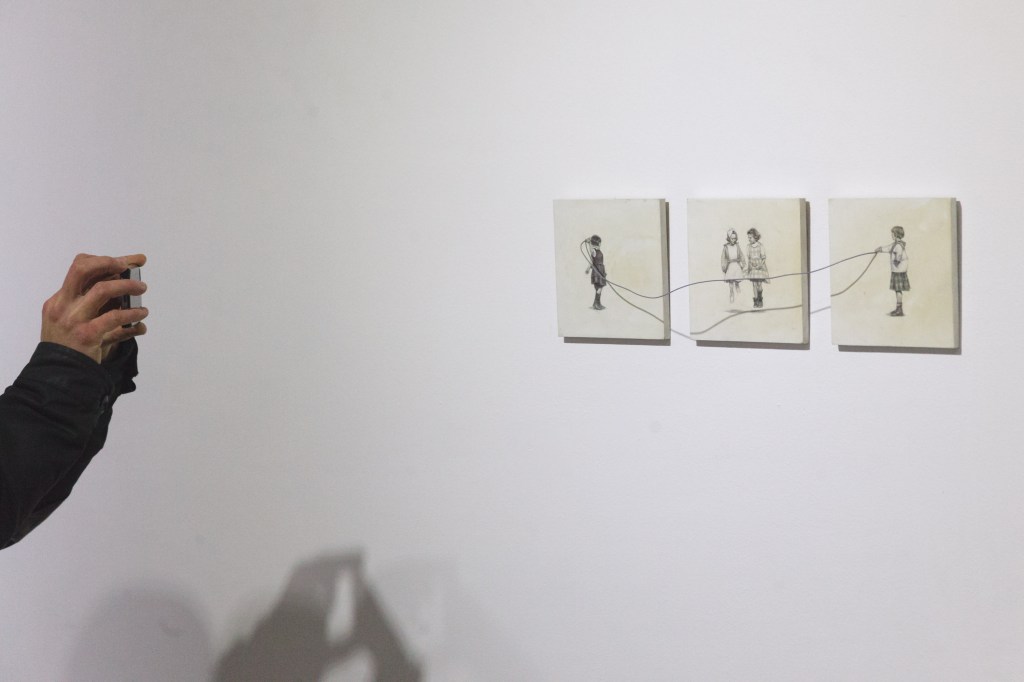
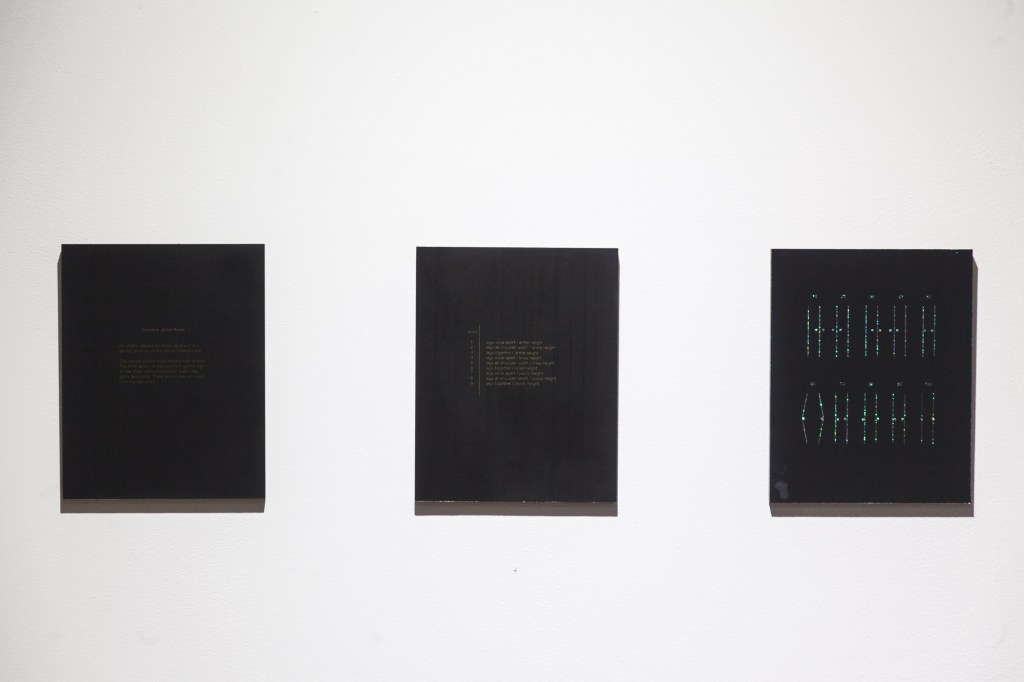
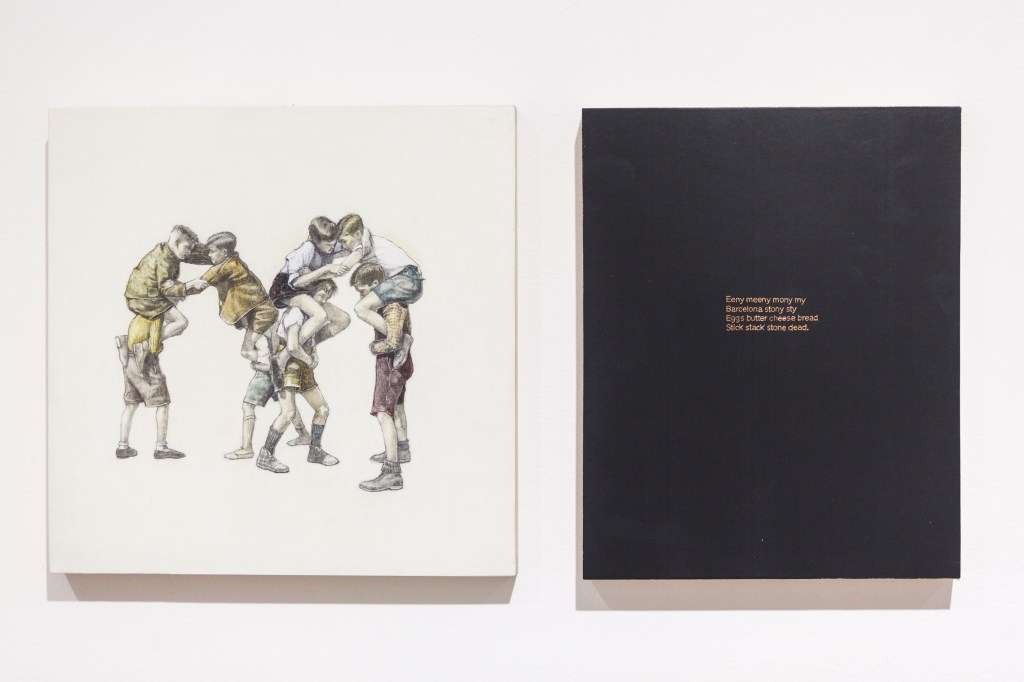
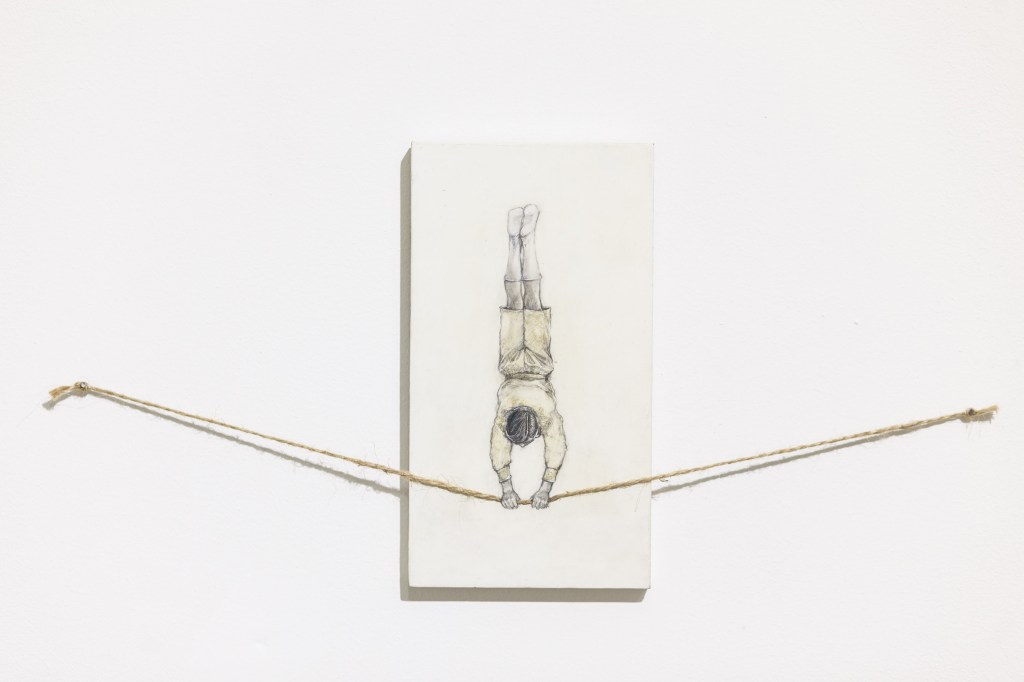
Death is a universal mystery first encountered in childhood — a moment often met with fear and repressed through imagination and play. In her project, Anna Olenicenco explores the world children build to escape the terrifying awareness of mortality: a universe of street games, superstitions, and rituals born in playgrounds, alleys, and forgotten corners. Through her lens, childhood becomes both refuge and resistance — a realm where fantasy shields innocence from the inevitability of aging and death.
Read the full text at the link below.
READ HERE



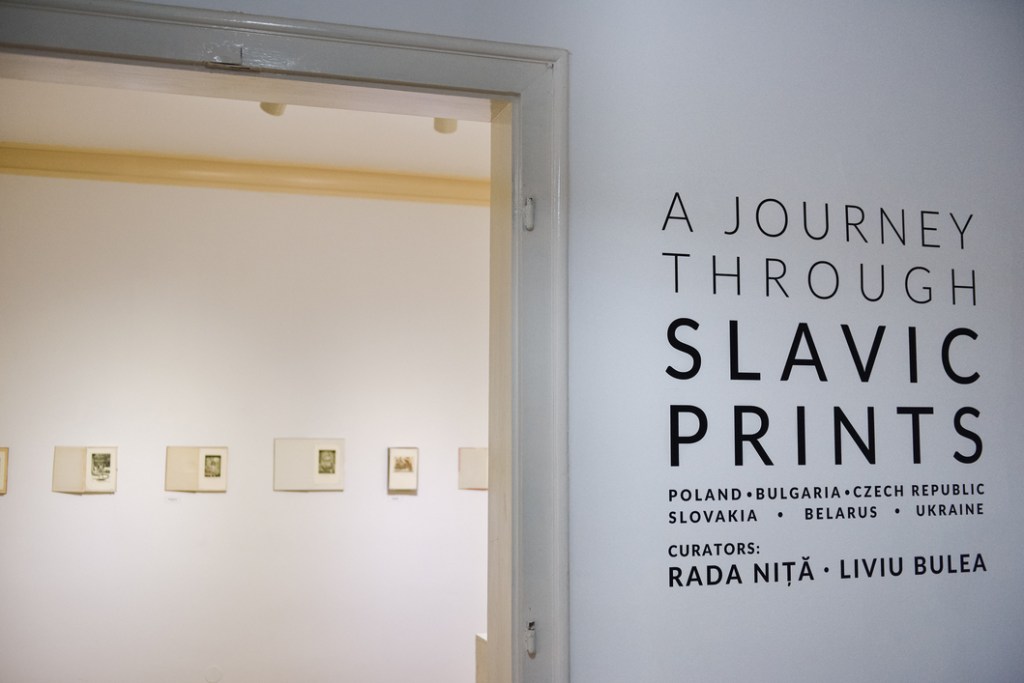
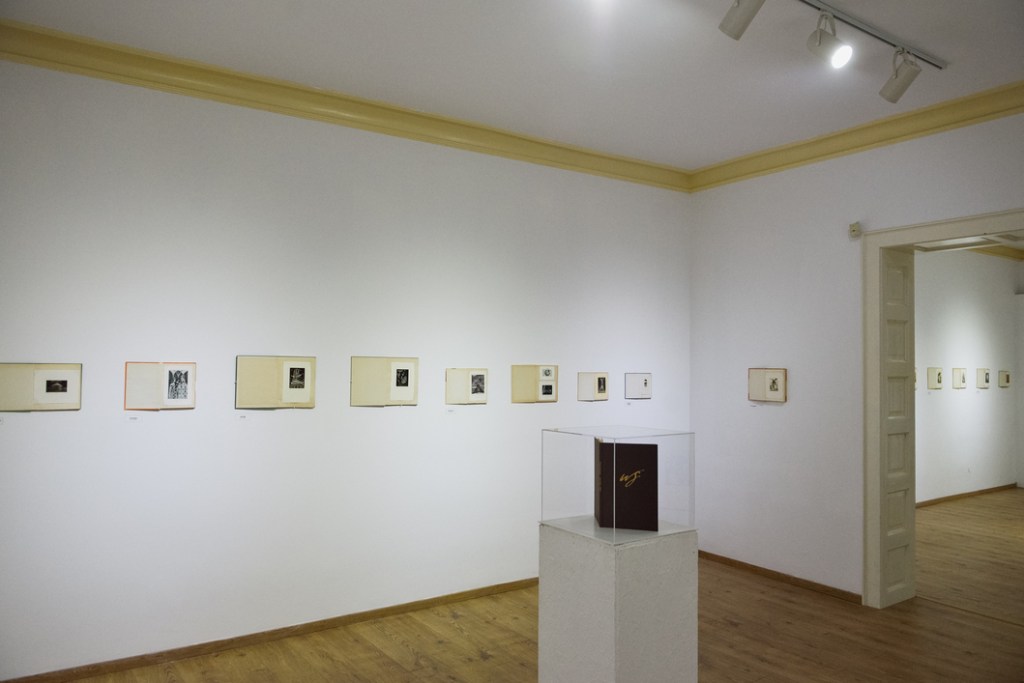
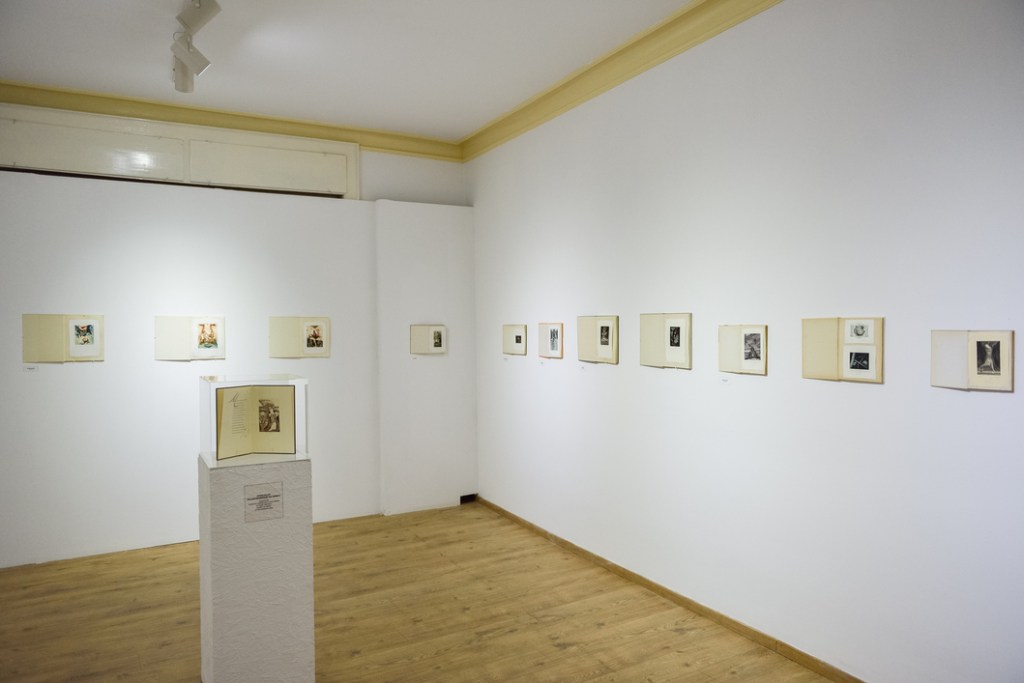
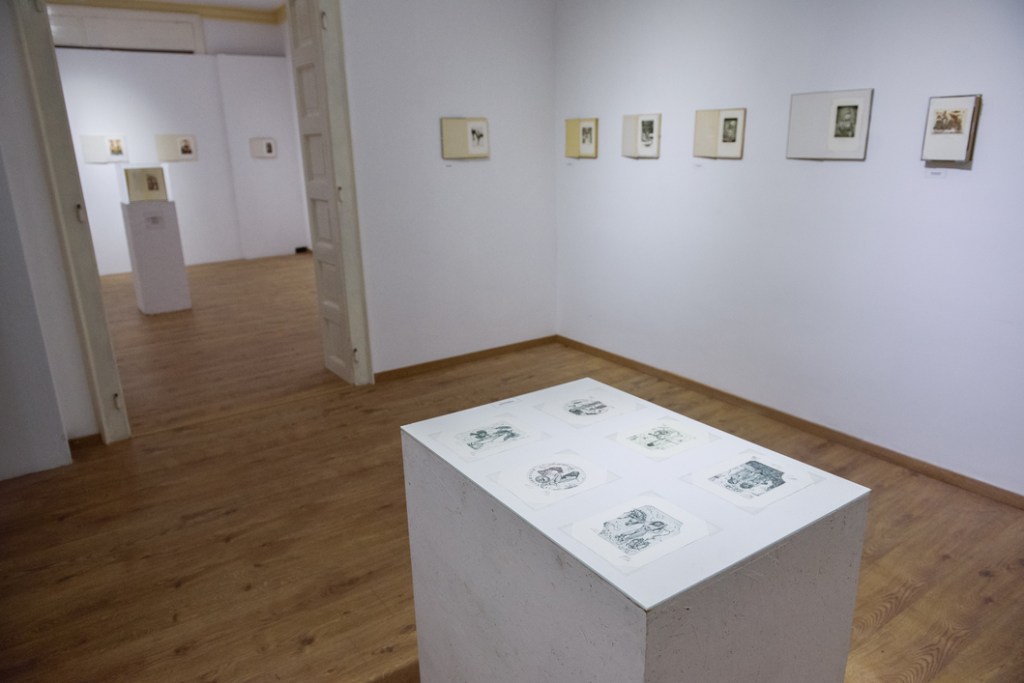
A Journey Through Slavic Prints
Visual Kontakt Gallery
Short description:
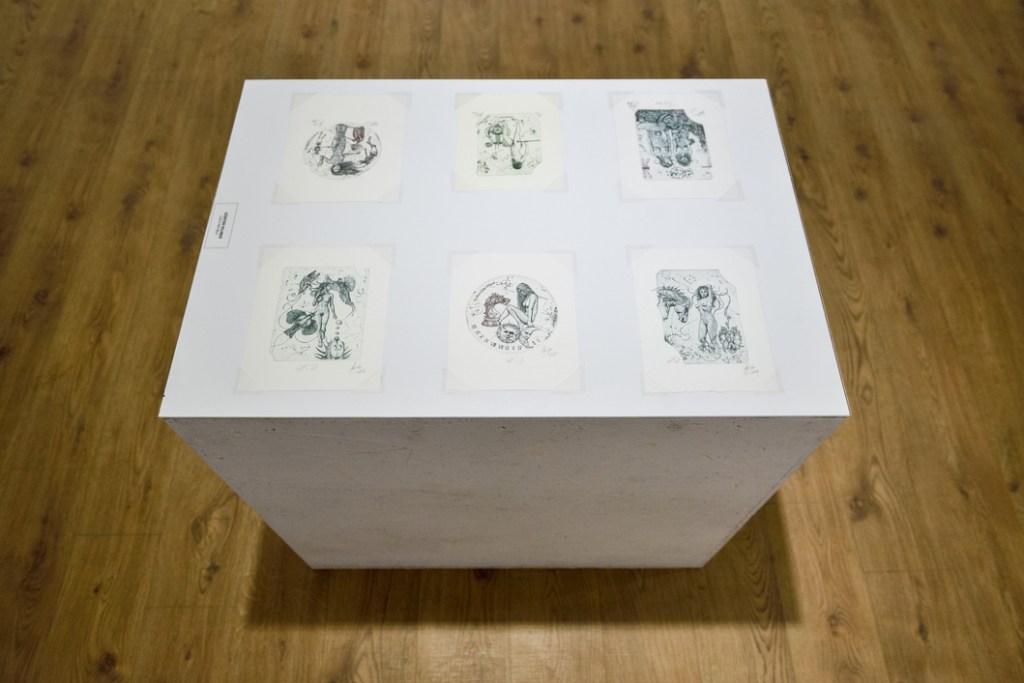
Hosted by Visual Kontakt, this printmaking collection was assembled over several years during Rada Niță’s doctoral research, “The Contemporary Intaglio in Slavic Countries. Hypostases of the Fantastic.” Featuring works from renowned and emerging artists across Poland, Bulgaria, the Czech Republic, Slovakia, Belarus, and Ukraine, the exhibition celebrates the richness of contemporary Slavic engraving — a realm where technical mastery meets imagination, humor, and poetic fantasy. With sections dedicated to both ex libris and free-themed engravings, the show highlights a living tradition that bridges myth, literature, and modern sensibility through the timeless craft of printmaking.
Read the full text at the link below.



 LIVIU BULEA